Last Updated on 17 August, 2026
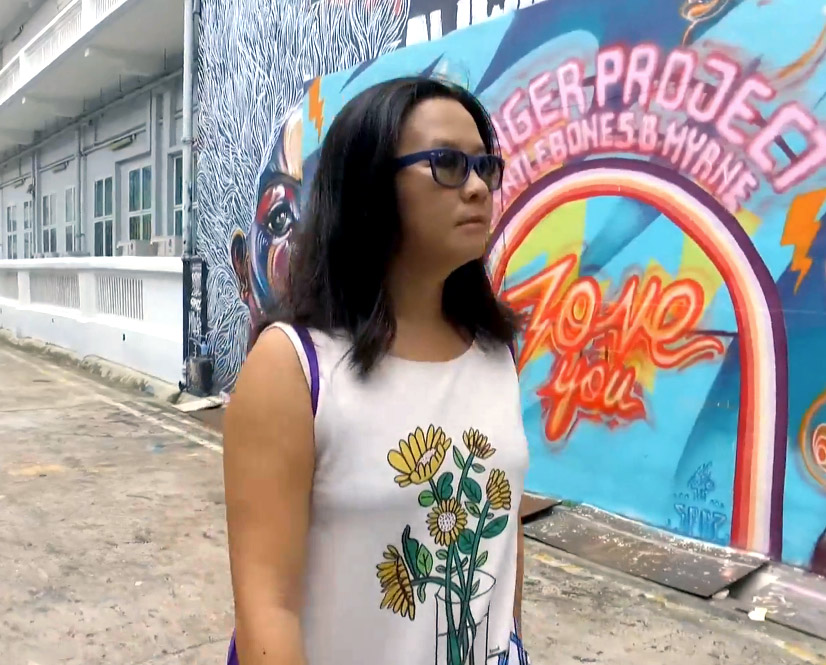
Visiting Singapore soon? I’m Jaclynn, a Singaporean travel writer and licensed tourist guide who’s lived in Singapore all my life. I write a lot about Singapore, and this guide is the collection of all my practical tips and personal recommendations on things to do in Singapore, whether you’re a first time visitor or someone who’s been here many times and is looking for the lesser-known spots.
Essential Information about Singapore
If it’s your first time coming to Singapore, here are some helpful general tips to get you started:
Singapore travel tips for first-time visitors
The 12 things to know before visiting Singapore guide that I wrote for Lonely Planet is a useful overview on what to expect in Singapore.
These guides I wrote for Culture Trip with top 10 tips to travelling in Singapore and 11 things to know about Singapore give you a sense of what Singapore is known for.
For something a bit more tongue in cheek, The worst possible advice to give someone travelling to Singapore article that I wrote for Matador Network is pretty timeless.
Here are some common questions I get and things you should know to plan your Singapore trip:
Singapore is a fairly small country that takes less than hour to drive across on a good day. Most of its main attractions are located in the downtown area so you can cover a lot quite quickly, but the hot humid weather is more draining than you might think, so give yourself some time to breathe.
For first time visitors
I think spending 4 or 5 days in Singapore is ideal and enough to see most of the main sights like the Civic District, Marina Bay and ethnic quarters without being too rushed for time, and leaving a bit of room to fit in some offbeat options as well.

Short on time?
A 3-day trip in Singapore is also a decent option to catch the main sights if time is tight, but a long layover or 1-night stay in Singapore feels a bit too rushed for my liking.
The best time to visit Singapore largely depends on what you’re most concerned about on your travels:
Depending on the weather
It’s hot, wet and humid here in Singapore all year round, with temperatures about 28-34ºC on average with humidity at 60-90% every single day. Perfect if you love the summer heat.
It may get slightly cooler/wetter at the end of the year from November to January because of the monsoon weather, but Singapore has no seasons, so it’s a matter of how lucky you are when you are here.
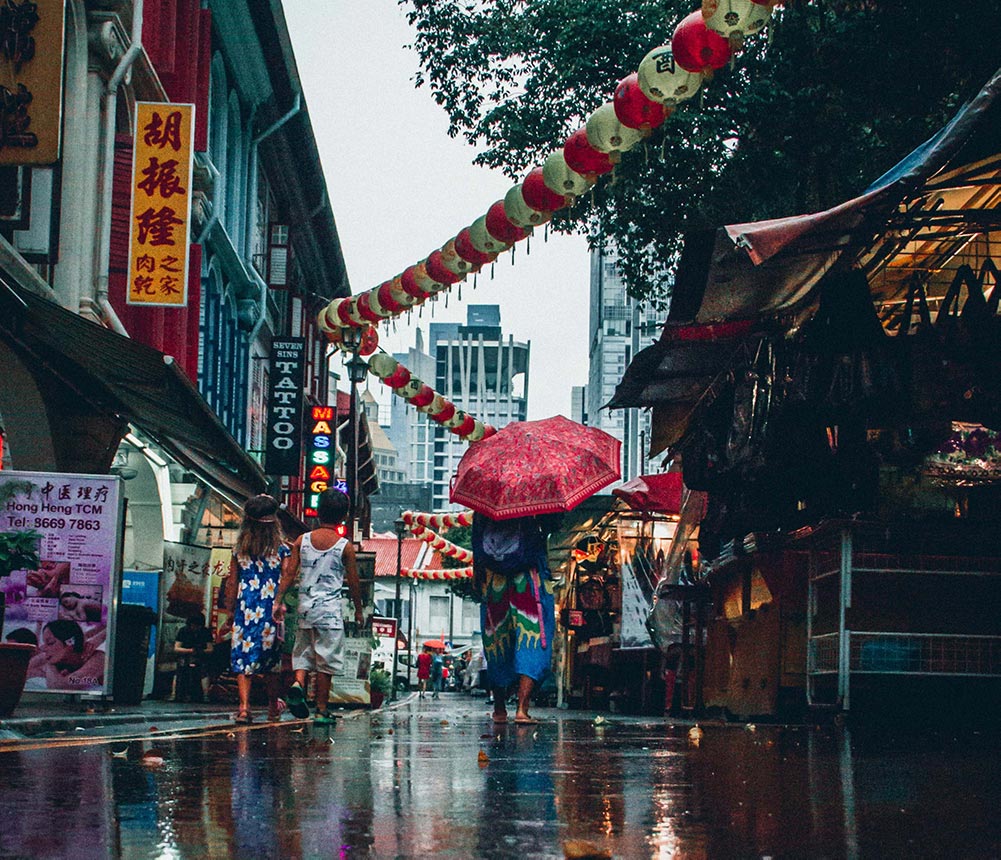
We can’t even predict rain that accurately because the convectional rain we get happens when it happens – you can only tell maybe a few hours before, and even then it’s unpredictable. You can still see the sights in Singapore when it rains, just always carry an umbrella just in case.
Depending on hotel costs
Hotel stays are one of the key costs in a Singapore trip. Singapore has a couple of marquee events which send hotel prices skyrocketing, so plan your trips away from these key dates for cheaper prices, or make sure to book way in advance. Some of these events are New Year’s Eve, Singapore’s National Day (9 Aug) and F1 Grand Prix (Usually late September).
Prices can be higher during the school holidays in June and December when Singaporeans are also on staycations. Also, check dates of concerts for famous artists like Taylor Swift or BTS – hotel prices are usually high then.

Hotels in Singapore generally aren’t that cheap, especially in comparison to neighbouring countries in Southeast Asia. Hostel bed prices range from about S$60-$100 per night, while budget hotels go for about S$100-S$200 per night. Most of your mid range hotel rooms are around S$200-$400 per night, and the sky’s the limit when it comes to luxury.
I recommend staying in the heritage ethnic quarters like Little India or Kampong Gelam for cheaper options, or Chinatown which is more expensive but very centrally located. Boat Quay + Clarke Quay and the Bras Basah + Bugis areas also offer cheaper alternatives in close proximity to the expensive Civic District/Marina Bay.
Some people try to save money by staying in Johor Bahru (Malaysia) across the causeway, but trust me, the time taken for that commute across the border isn’t worth the cost savings, especially around weekends/public holidays when it can take hours to cross the border at peak timings.
Singapore is great for independent travellers as it is very easy and convenient to get around by public transport.
Whether you’re coming from the airport or hopping between sights, the MRT or subway, along with the public bus network are easy to use and relatively cheap. You can check most routes and timings or Google maps, and all you need is a contactless credit card to pay – trips range from S$1-S$3 depending on distance.
Taxis and rideshares are also a decent option if you have a group to split costs or just want to get around more quickly. It’s best to either have the Comfort Delgro or Grab apps on your phone to book these easily. You can typically only hail taxis from dedicated taxi stands.
I wrote this guide for Lonely Planet on how to get around Singapore by public transport
Hiring a private driver is also an option if you want the convenience, are willing to pay for it and/or want a tourist guide as well. Hit up my friends at Wayward Tours for more info on private driver guides.
I’m a Singaporean but I’ve also travelled extensively around Asia, so yes Singapore can be expensive in certain areas due to higher costs of living and the strong Singapore dollar:
- Housing and space is a premium in land-scarce Singapore, which means that in comparison to other destinations, hotels can be quite expensive in Singapore
- Singapore doesn’t have much natural resources, so ingredients are largely imported and while there are cheaper food and drink options, restaurants and cafes tend to be more expensive in Singapore
- Things that taxed are very expensive, like alcohol and tobacco
The good news is that there are ways that you can try to cut costs to make your trip to Singapore a bit more budget-friendly:
These guides for Lonely Planet about 10 tips to enjoying Singapore on a budget and the best free things to do in Singapore are my personal recs for visiting Singapore more cheaply. This article I wrote for Culture Trip about backpacker activities in Singapore also lists some ways to sightsee without spending too much.
Singapore has four official languages: English, Mandarin, Bahasa Melayu and Tamil.
English is the main language used for education and business, and commonly spoken across the country. There is an assumption that most people, especially of the younger generation are able to speak English as schools conduct most lessons in English, which is good news for you if you are reading this without translation. We’re also British spellers here in Singapore.
The other languages Mandarin (what they speak in China), Bahasa Melayu (what they speak in Malaysia, has similarities to Bahasa Indonesia), and Tamil (South Indian dialect) represent the three major ethnic groups in Singapore. You’ll typically hear these languages in the MRT announcements or see them in official documents. Because Singapore is majority Chinese, you’ll tend to hear a lot more Mandarin spoken, especially in the hawker centres.
If you find the accents a bit odd or feel like you don’t understand a lot of the local lingo, you might be hearing Singlish, which is what happens when our local English gets mixed up with all the local dialects.
If you want to know more, here’s an indepth article that I wrote exploring Singapore’s languages for Culture Trip and another article focused specifically on essential Singlish phrases in Singapore, but honestly it’s very awkward sounding for foreigners if you don’t know how to make the right intonations!
What I love about Singapore is that it’s very safe and generally crime rate is very low. I appreciate being able to walk around on my own at any time of day without worrying too much about whether I’m going to get pickpocketed or robbed. But solo female travellers especially, Singapore is pretty safe all around.
Singaporeans do take our safety for granted some times – you’ll see people using their personal belongings on tables, and even leave their devices around in public. And that’s why so many people get robbed overseas, because we’re not used to being that vigilant.
That said, low crime doesn’t mean no crime. I’m definitely not leaving my phone or laptop on the table in public unattended just to be safe. For tourists, you may encounter some people trying to scam you with absurdly high prices or fake tickets – just make sure to keep to official apps and you can check with the Scam Hotline 1799 if you’re not sure.
Singapore also is safe in that we hardly experience natural disasters or extreme weather here. We’re not on the tectonic fault lines, so while that means no nice mountains or volcanoes, but it also means no earthquakes, floods or typhoons. We might experience minor flash floods in heavy rain, or the UV index can be quite high on sunny days, but nothing lethal. There might be some hazy weather if our neighbours’ forests fires blow over, but that’s also fairly rare.
Best Things to Do in Singapore
Thinking about what to see in Singapore? These are my recommendations on Singapore’s top sights.
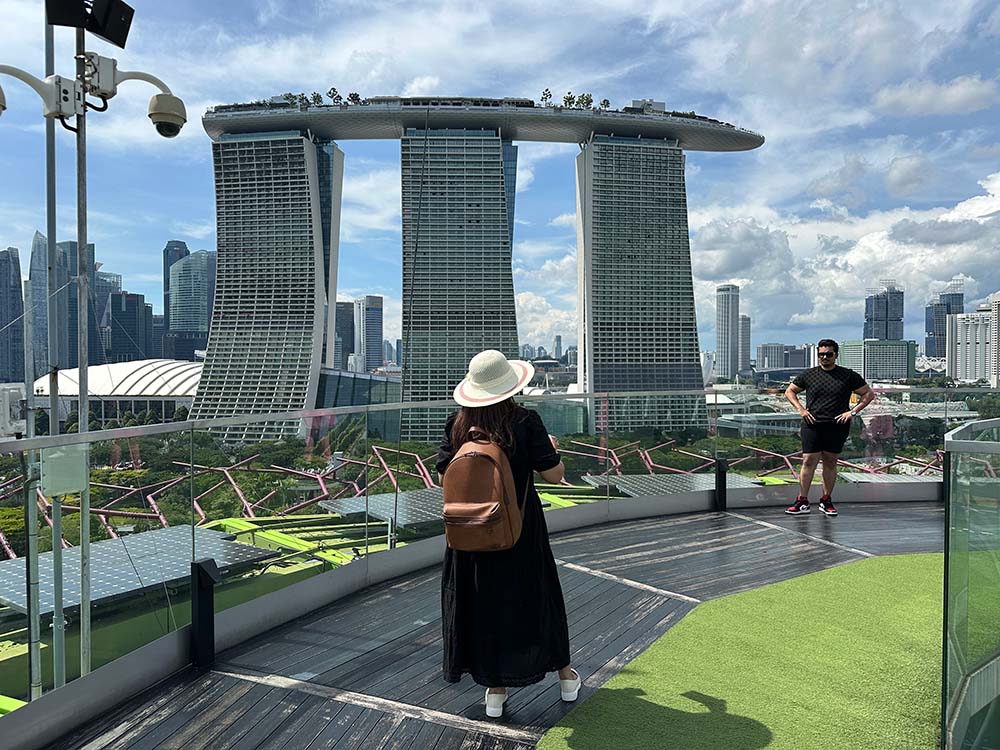
I quite like this article about 10 fabulous things to do in Singapore for Lonely Planet which has a lot of the must-sees, but also a handful of slightly offbeat options if you have more time
My five days in Singapore itinerary for first-timers itinerary for The Travel Intern covers the main things I think visitors should see and do in Singapore
Depending on how much time you have in Singapore, here are some attractions I consider must-see for first-timers in Singapore:
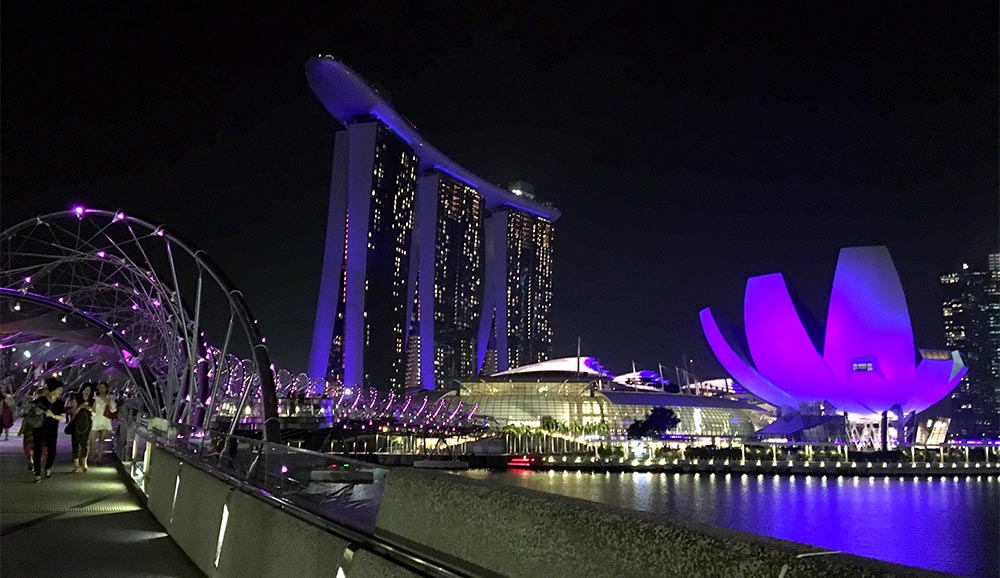
The Marina Bay Skyline is the Singapore postcard view, and the most popular spot for that view is from the Merlion Park, where all the tourists are trying to take shots of the statue spitting water into their mouths. Here you’ll get the best photos of the Marina Bay Sands, Esplanade and the skyline. Stroll around the bay towards the DNA-shaped Helix Bridge for a shot of the Central Business District skyline.
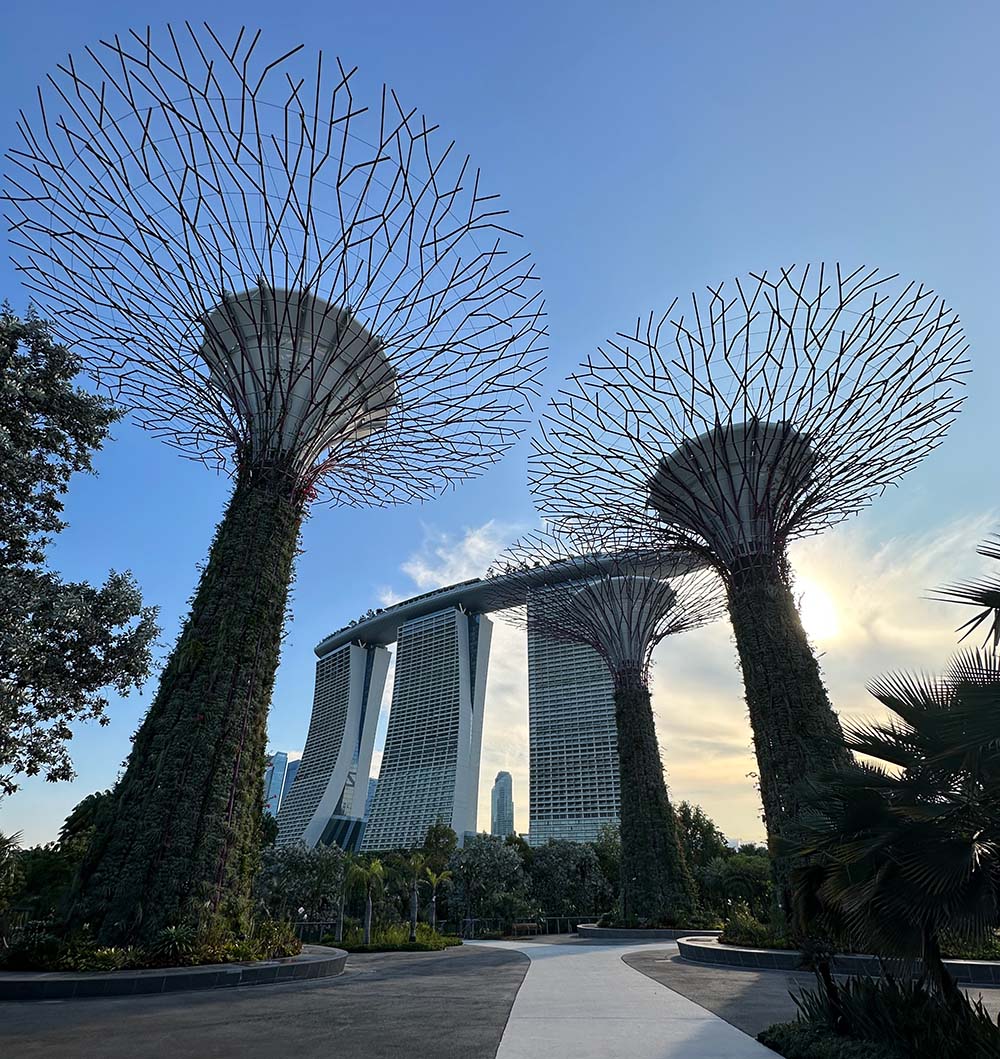
Gardens by the Bay is another popular Singapore attraction. The two cooled conservatories Flower Dome and Cloud Forest are the perfect spots when Singapore is overly hot or rainy! The lovely cool 20ºC+ temperature is a dream. The daily light and music show at the Supertree Grove in the evening is also a very popular (and free) thing to do in Singapore, while the OCBC Skywalk is a suspended platform winding through the Supertrees.
I usually recommend visiting the domes in the afternoon when it is generally not as busy (Cloud Forest is very atmospheric when it gets darker), getting dinner nearby and doing the OCBC Skywalk for a closer look at the Supertrees, and then hanging around for the light shows.
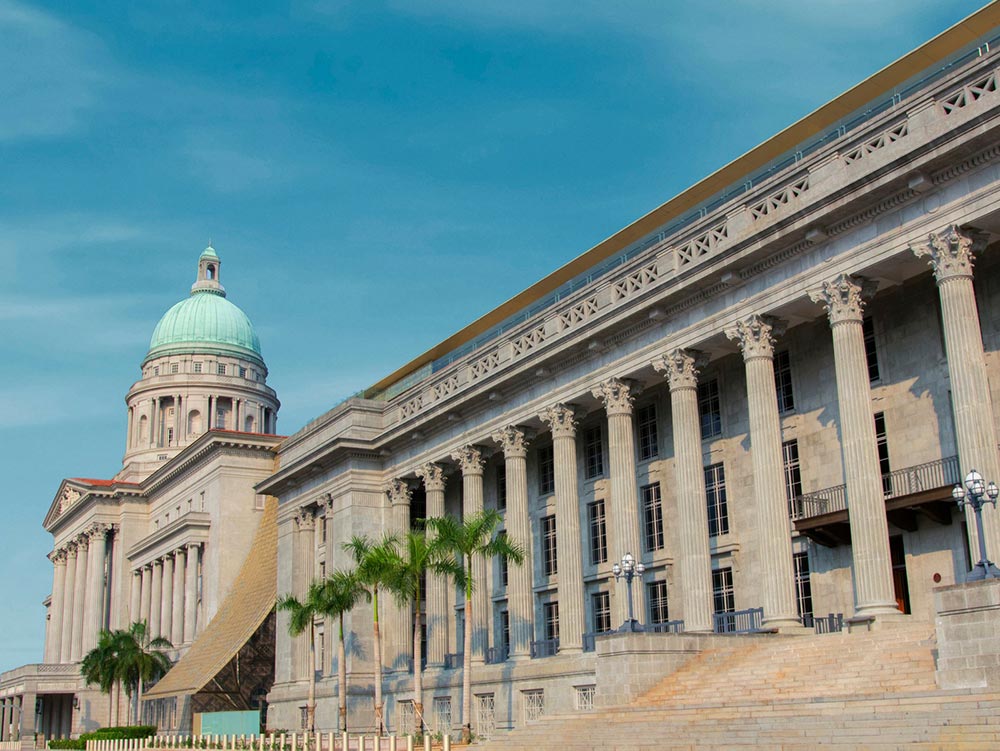
National Gallery Singapore is home to the largest collection of Southeast-Asian modern art housed in the former City Hall and Supreme Court. Even if you choose not to enter the galleries to see the art, the building itself is quite a sight and free to wander around in. You can even see the old prison cells used in the former Supreme Court.
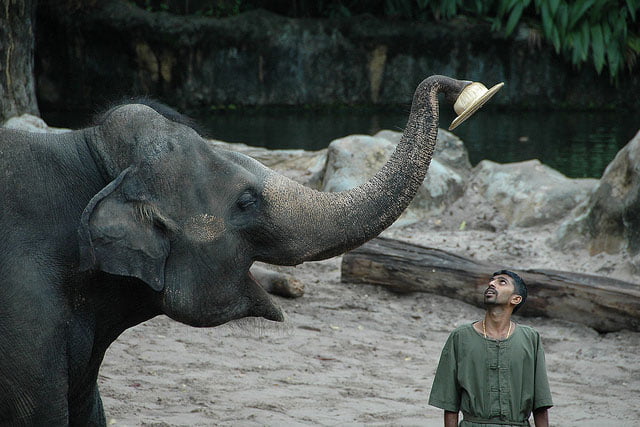
Mandai Wildlife Reserve is a collection of open-concept animal parks that is home to wildlife from around the region and the world. I like that our parks are open-concept, spacious and generally the animals look well taken care of.
The Singapore Zoo is the most well-known, while the nocturnal Night Safari has the most unique concept. River Wonders showcases critters from the habitats of major rivers in the world and offers the most shelter in case of bad weather, while Bird Paradise is the newest with plenty of open aviaries. The newest park is Rainforest Wild which focuses on adventure activities and wilder treks.
You need two days minimum to see all five parks properly, but with limited time I recommend seeing the Singapore Zoo in the day and sticking around for the Night Safari in the evening.
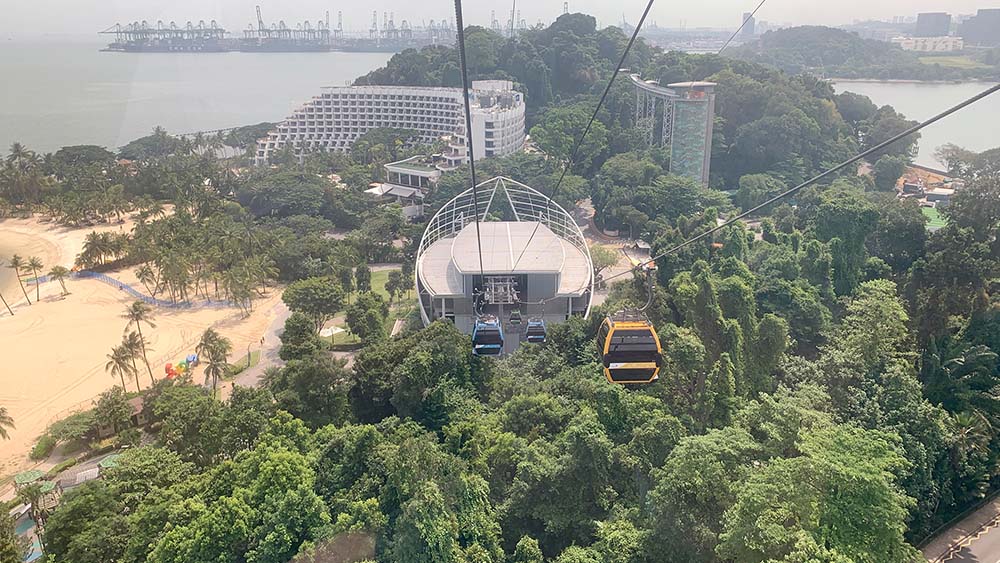
Sentosa is the easiest island to access from Singapore’s main land by bus/car, monorail and even cable car. Most people visit for Universal Studios theme park, Singapore Oceanarium and the casino at the Resorts World Integrated Resort.
Overall it’s a tad touristy, but there are also some free things to do here, like hang out at Siloso, Palawan and Tanjong Beach along the south are some of Singapore’s nicest beaches with imported sand. I also enjoy walking the historic Fort Siloso, now linked by the panoramic 11-storey tall Fort Siloso Skywalk bridge.
The best way to get a feel for Singapore’s multiracial culture and history is to explore its neighbourhoods. The heritage ethnic quarters Chinatown, Kampong Gelam and Little India. Each neighbourhood has its own charm, and while they are quite tourist friendly, they are also home to local culture.
If you’re really strapped for time and can only pick one neighbourhood, Chinatown is the most conveniently located near the downtown area, but take a day or two to see all three districts.

Chinatown is Singapore’s heritage Chinese quarter is one of my favourite places to bring new visitors to Singapore as it has a great mix of good food, cultural sites and lots of lovely murals on its walls. Chinatown Complex, Maxwell Food Centre and Amoy Street Food Centre have plenty of hawker food options for anyone looking to try Singaporean food. Sri Mariamman Temple and Buddha Tooth Relic Temple are also worth exploring.

Kampong Gelam is one of my favourite neighbourhoods, and very nostalgic for me because I used to work in this area for a few years, and where I really fell in love with street art in Singapore. While it’s a lot more gentrified than underground these days, Sultan Mosque at its centre still stands tall, while hip Haji Lane is always filled with murals and colours.
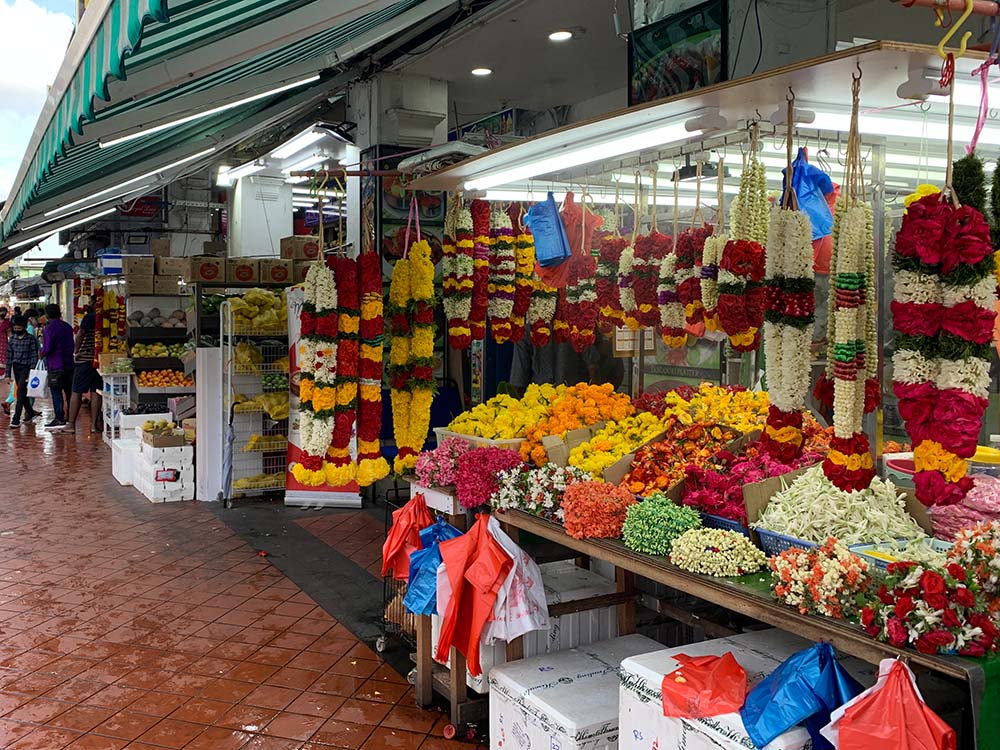
Little India is a place to experience with all your senses, a riot of colours, fragrances and bustling chatter. The Indian Heritage Centre is a modern addition to the neighbourhood, while Tekka Market is a fabulous place for food and a little shopping. Sri Veeramakaliamman Temple also offers a pretty cool look at local Hindu worship.
If you want a few offbeat things to do while you explore the must-see sights in Singapore, here are some of my recommendations. If you want more, check out the Local recs section for repeat visitors below.
Singapore River: The more popular Raffles Statue (British founder of Singapore) is the white marble one that stands along the Singapore River, but don’t miss the darker bronze version in front of the Victoria Theatre building – that’s the older and original statue created for the British centennial. Take the time to pop into Victoria Theatre as well to look at the architecture more closely and enjoy some free air-conditioning.
Marina Bay: If you’re at Gardens by the Bay you can follow the river to its mouth at Marina Barrage. There’s a lovely sloped roof with a grassy roof building that’s popular with locals for picnics and kite flying and offers a different perspective of Singapore’s skyline, especially in the evening.
Chinatown: Chinatown is quite a large district – for something different, walk towards Everton Road and Spottiswoode Road to see some of the nicest heritage shophouses without the crowds. In the Everton public housing estate, there are also some hidden cafes and eateries worth checking out.
Little India: If you go up to the 2nd level of Tekka Centre and wander around a bit, you’ll find an airwell overlooking the wet market area of Tekka Market where you can observe the market stalls from a bird’s eye view, without getting your feet wet or getting in people’s way. Great for photos.
Kampong Gelam: Walk away from Sultan Mosque towards Sultan Arts Village and Aliwal Arts Centre. You’ll find legal graffiti walls and maybe some of Singapore’s street artists at work! Stop by Rich & Good Cake shop for a traditional swiss roll cake – they have a shop in the airport, but this tiny space along Kandahar Street is the original shop and a nostalgic Singaporean icon.
Despite a reputation for being expensive, there are a number of cool things you can do for free while sightseeing in Singapore.
These guides for Lonely Planet about 10 tips to enjoying Singapore on a budget and the best free things to do in Singapore are my personal recs for visiting Singapore more cheaply
This article I wrote for Culture Trip about backpacker activities in Singapore also lists some ways to sightsee without spending too much
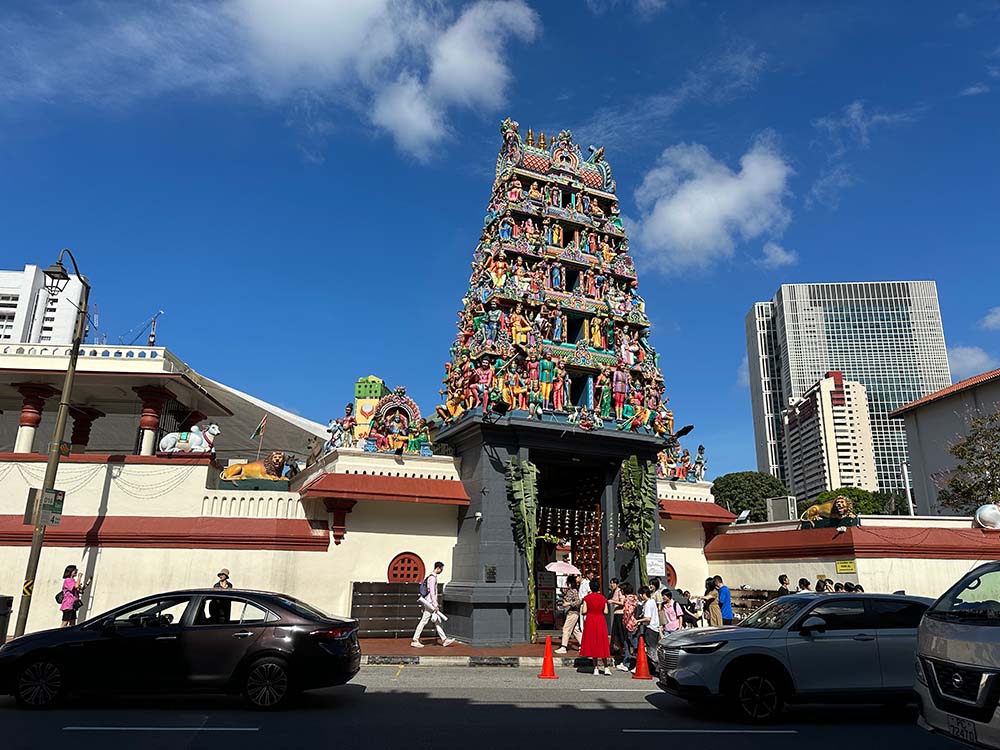
Step into our historic religious buildings for a sense of local culture
Sri Mariamman Temple, Thian Hock Keng, Sultan Mosque and St Andrew’s Church are just some examples of our oldest and most colourful religious architecture and offer a look into how the local people worship.

Spend some time in nature
Our parks and gardens are largely free – UNESCO site Singapore Botanic Gardens has a lot to see outside the ticketed National Orchid Garden, same as the Supertree Grove and outside Gardens in Gardens by the Bay if you skip the paid domes.
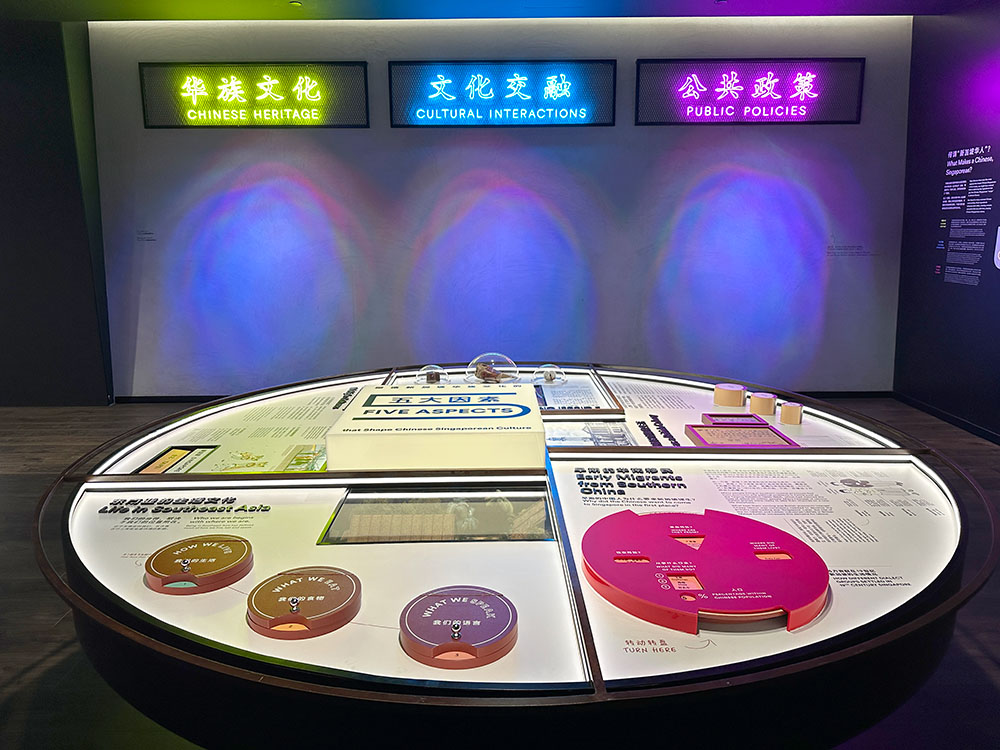
Check out free museums
Most of our major museums are ticketed, but there are a handful of galleries that showcase Singapore’s culture and history for free, even for tourists. I recommend the Singapore City Gallery for the development of Singapore and its nice scale models.
Explore Singapore Beyond the Tourist Trail
Want to experience Singapore like a local? Here’s what I recommend my friends who’ve already seen the main sights and want something a little different:
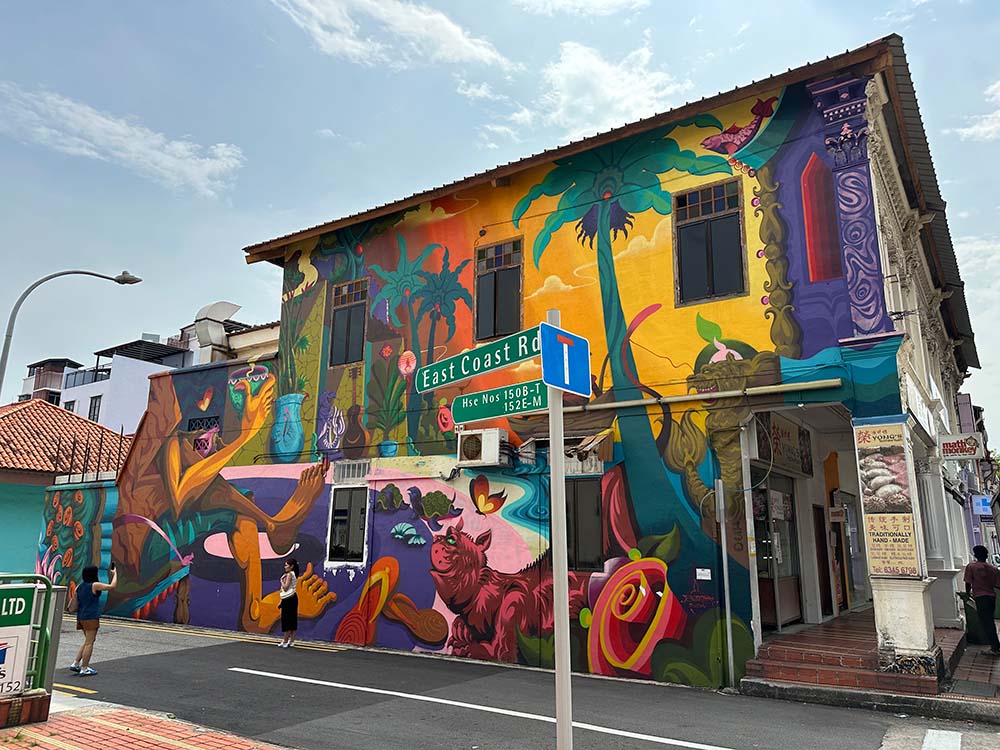
If you’re looking for uniquely Singaporean experiences, check out this list that I wrote for Culture Trip
This article about non-touristy things to do in Singapore that I wrote for Culture Trip offers some alternative things to do besides the typical attractions
I also enjoyed this article about 11 incredible things you didn’t know about Singapore for Culture Trip to share some of the lesser-known facts about Singapore
Less hidden gems and more low-key recommendations that a local would give, here are some experiences that I give to my friends visiting Singapore:
Sail to our offshore islands:
Did you know that Singapore is a part of an archipelago with a bunch of other smaller offshore islands? Many of these are used for industrial purposes, but some of these islands can be visited for a fun day trip option without breaking out your passport.
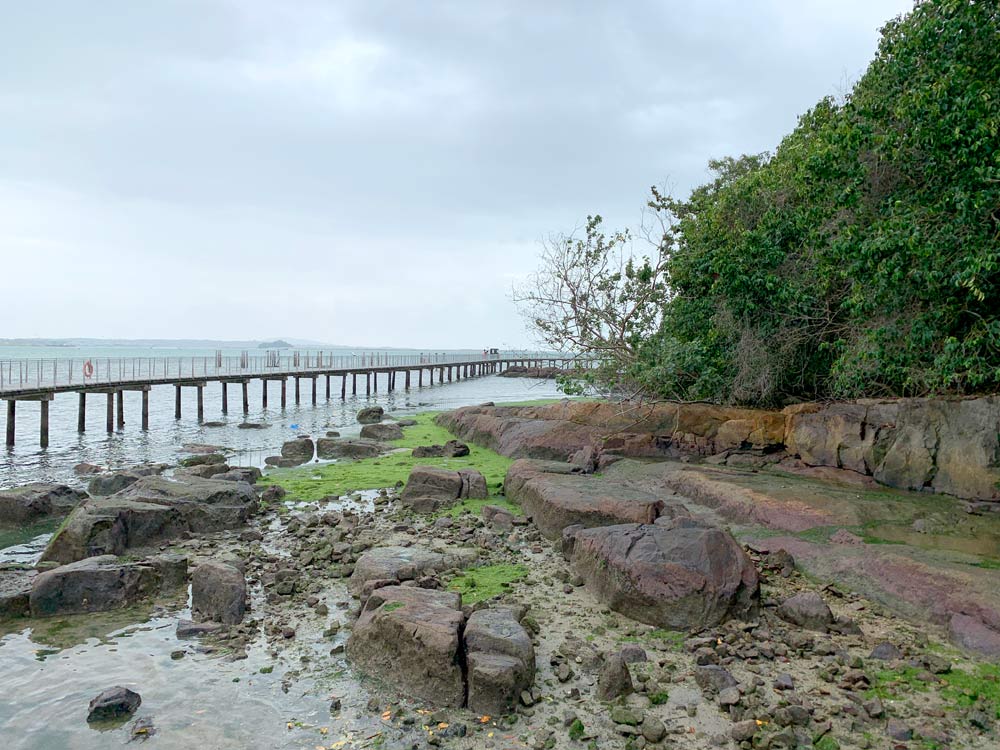
Pulau Ubin on the northeast shore is home to an excellent nature reserve Chek Jawa Wetland Reserve, stone quarries for some cycling and hiking, and one of Singapore’s last remaining villages.
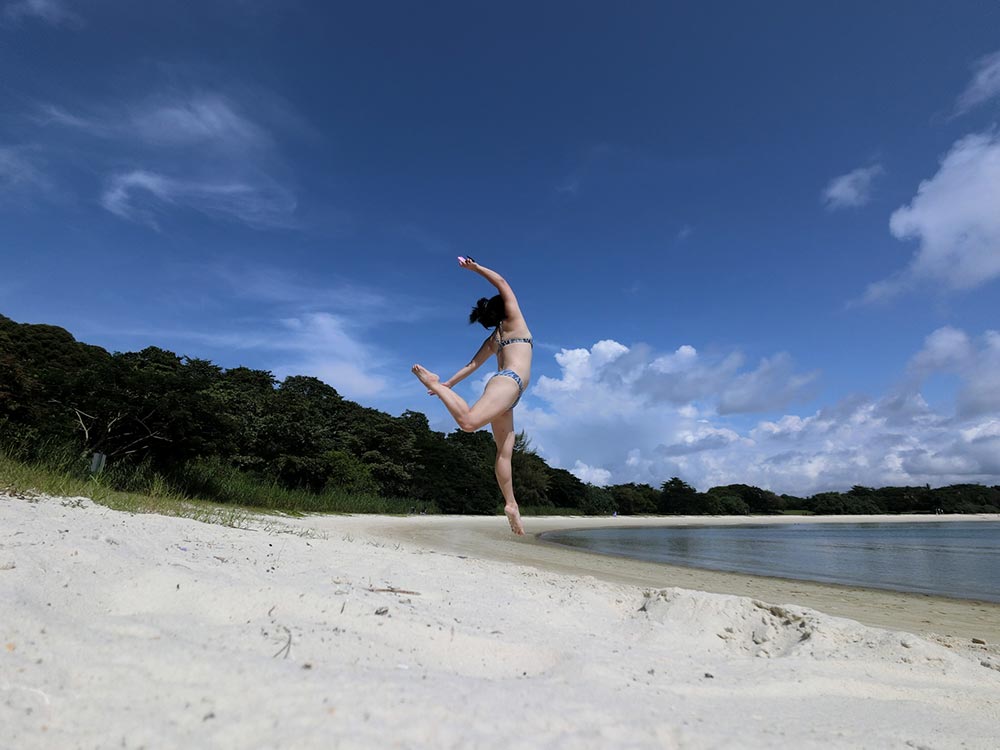
Taking a cruise around the Southern Islands cluster of St John’s Island, Lazarus Island, Kusu Island and Big Sisters’ Island is also another fun day trip option to experience a more natural side of Singapore.
Go street art hunting:
It may surprise you to know that while Singapore is pretty strict about what it considers vandalism, murals and street art have become quite popular in recent years and can be found all over the island. Street art hunting is one of my favourite ways to learn about the culture and history of a destination.

I have plenty of Singapore street art guides – the ethnic heritage areas are the easiest to get to, but my recommendation for somewhere a little different would be to go to Katong / Joo Chiat, or perhaps check out the very residential Ang Mo Kio neighbourhood.
Beyond the ethnic heritage neighbourhoods, these are some other districts in Singapore worth checking out for a taste of local life:
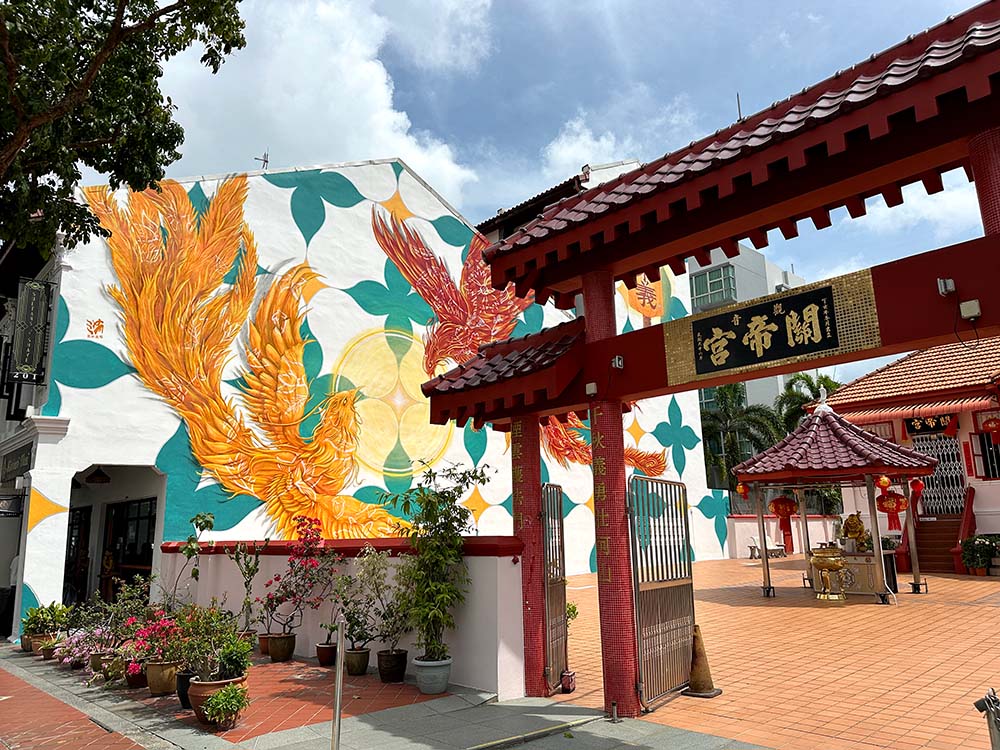
Katong / Joo Chiat
Katong or Joo Chiat is an area where the Peranakans (mixed heritage of local borns with straits immigrants) used to live. Today it has lots of great food, heritage and culture in its narrow alleyways. It’s famous for its ‘Painted Ladies’ row of colourful houses along Koon Seng Road, and there’s been a recent influx of cool wall murals here.
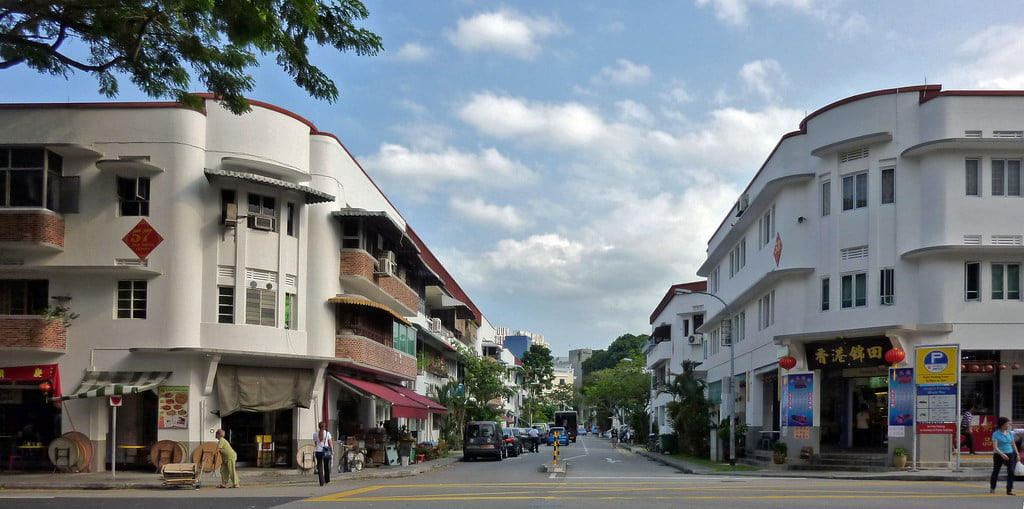
Tiong Bahru
Tiong Bahru is one of Singapore’s oldest neighbourhoods, but gentrified these days with the perfect mix of old school markets, shops and businesses alongside hip cafes, eateries and boutiques. Architecture lovers will adore the unique art deco buildings found here.
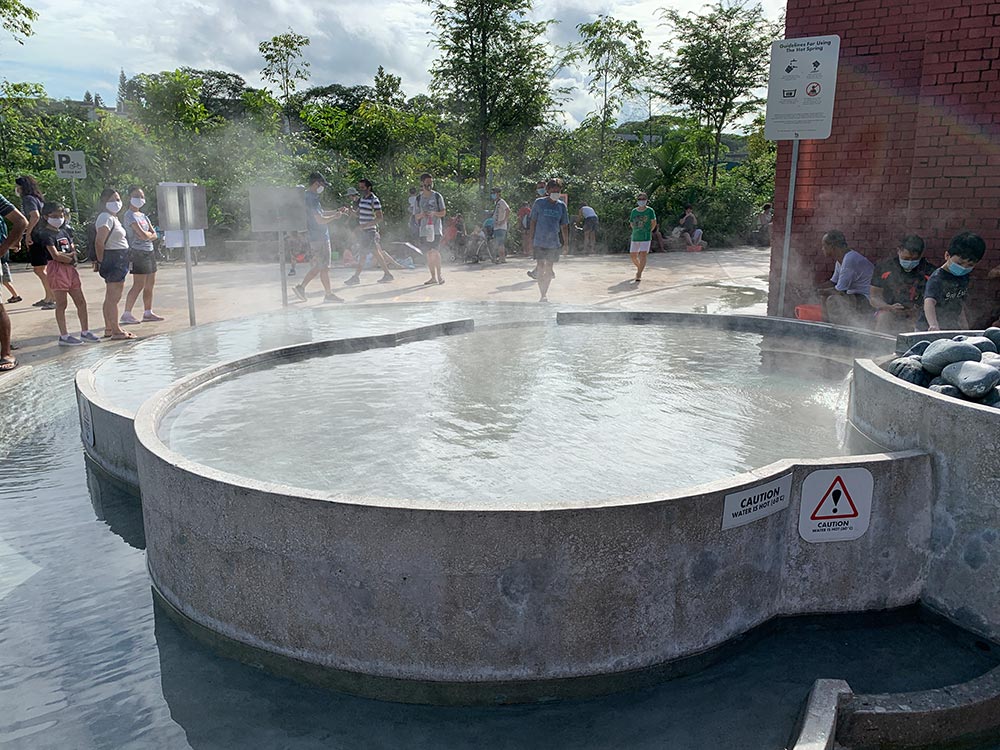
Sembawang
Sembawang is a really local/heartland option in northern Singapore. This neighbourhood has a surprisingly amount of WWII history, beautiful British colonial bungalows and one of Singapore’s last natural beaches. Also, Singapore’s only publicly accessible hot spring! You do need your own transport to get around the area easily though as it’s not the most accessible – I’d recommend hiring a car for the day.
I have some suggestions on fun ways to explore Singapore beyond just hitting the main tourist sights:

Crazy Rich Asians Film Locations
If you’ve watched and loved the movie Crazy Rich Asians, you’ll be glad to know the first movie was filmed partially in Singapore. I mapped out some of those locations to show you what they look like in real life. P/s: I was an extra on the film so this was an extra fun experience for me.
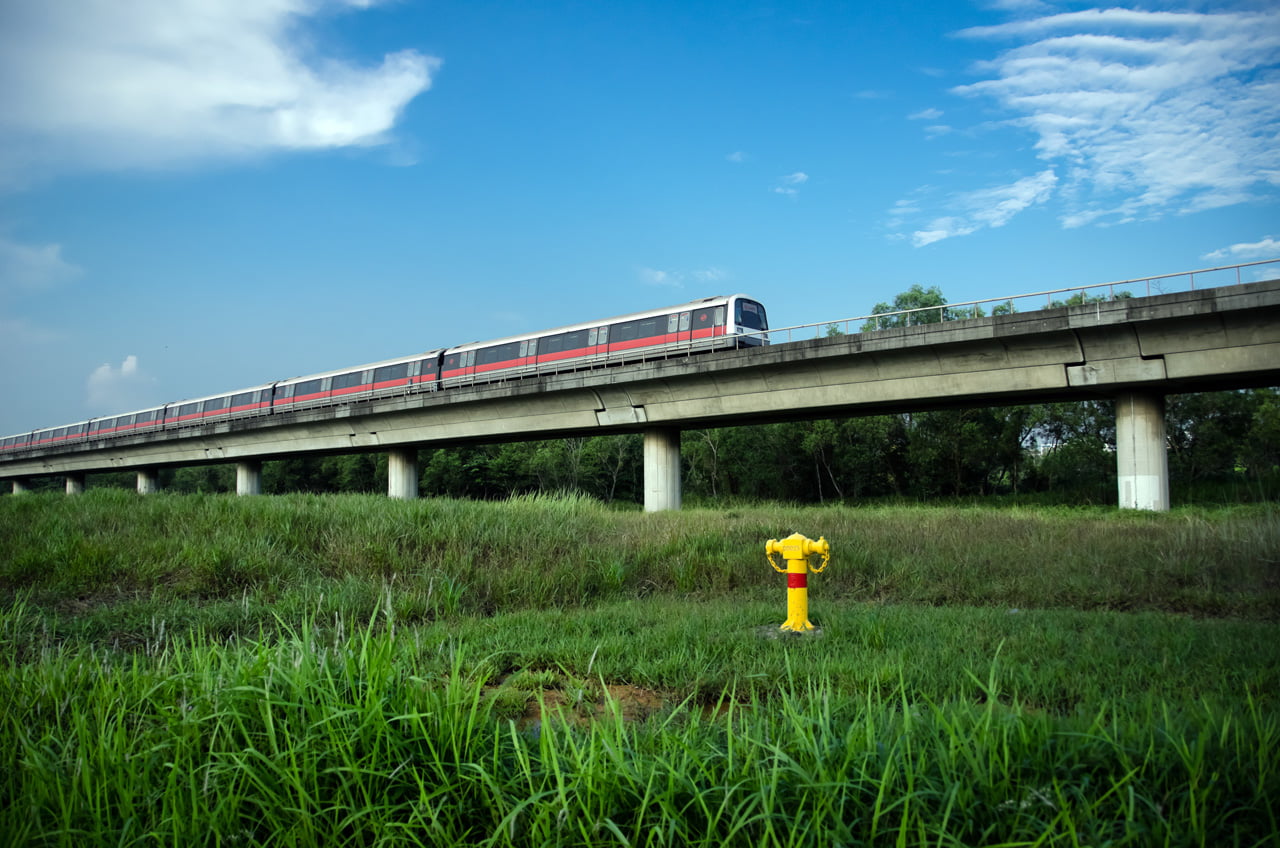
MRT from East to West
If you love taking the subway, you can explore Singapore from east to west by hopping on the Green Line. I wrote this article some time back for Turkish Airlines and there are plenty more MRT lines to explore these days, but I think this is still a fun alternative way you could see Singapore.
The Outdoors in Singapore: Nature, Parks, Islands
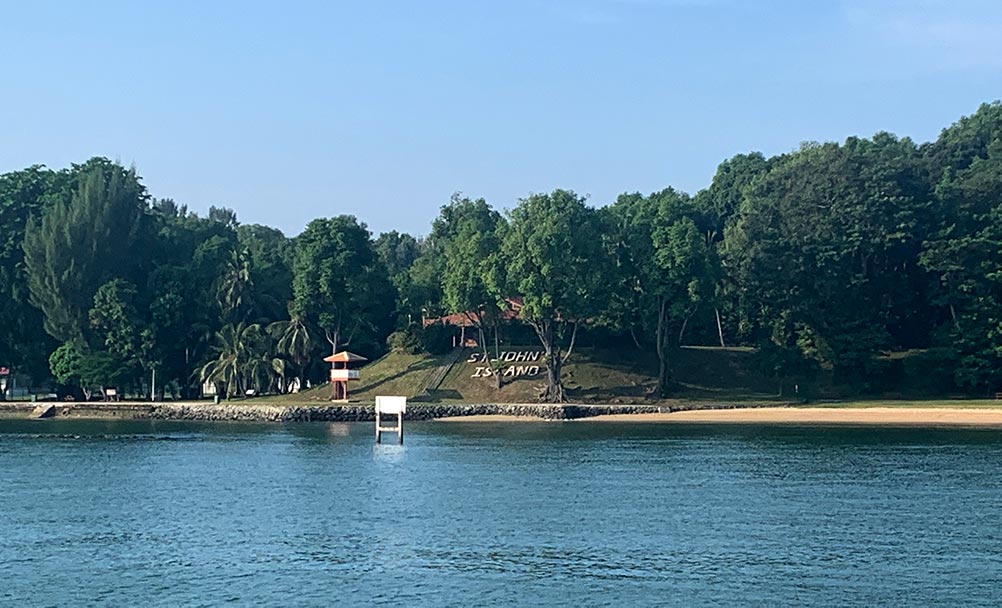
Most people don’t associate greenery with Singapore, but for a very built-up island state covered with many tall buildings, Singapore has a surprising number of green spaces and nature.
Singapore’s motto is clean and green, and I love that our roads are lined with trees and flowers that both keeps things cool but also beautifies the landscape. The East Coast Parkway is the most scenic expressway we have in Singapore.
Our weather is not the most conducive for being outdoors for too long, but you’ll find that Singapore’s natural side has lots to offer if you’re willing to bear the heat and check out our parks, forests and offshore islands.
Singapore was once known as the Garden City, though these days that tagline has evolved into City in Nature so we’re starting to appreciate the wilder side of Singapore a bit more. But we’re still very good at manicured gardens and have produced some world-class green spaces.
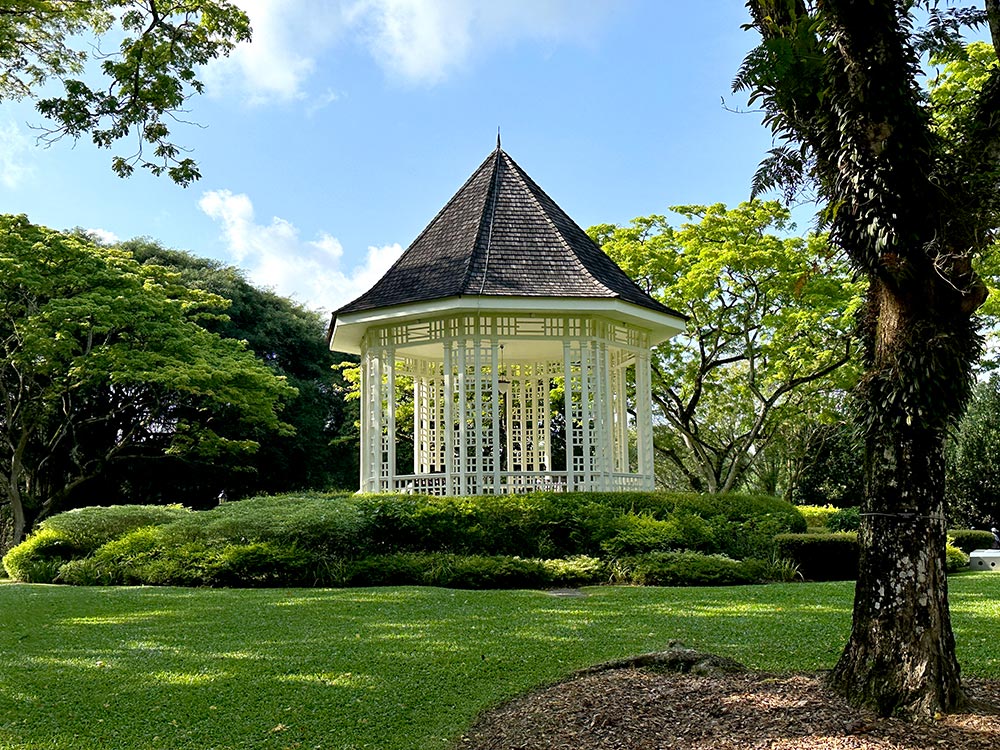
Singapore Botanic Gardens
Singapore’s only UNESCO site, the sprawling Singapore Botanic Gardens near the Orchard Road Shopping Belt are a nice break from all the buildings and city vibe, and easily accessed via MRT.
The National Orchid Garden is one of the park’s highlights with lots of examples and exhibits on Orchid hybrids that Singapore is famous for, and a nice coolhouse right inside simulating mountain temperature is a nice relief from the heat.
The Jacob Ballas Children’s Garden is also great for families.
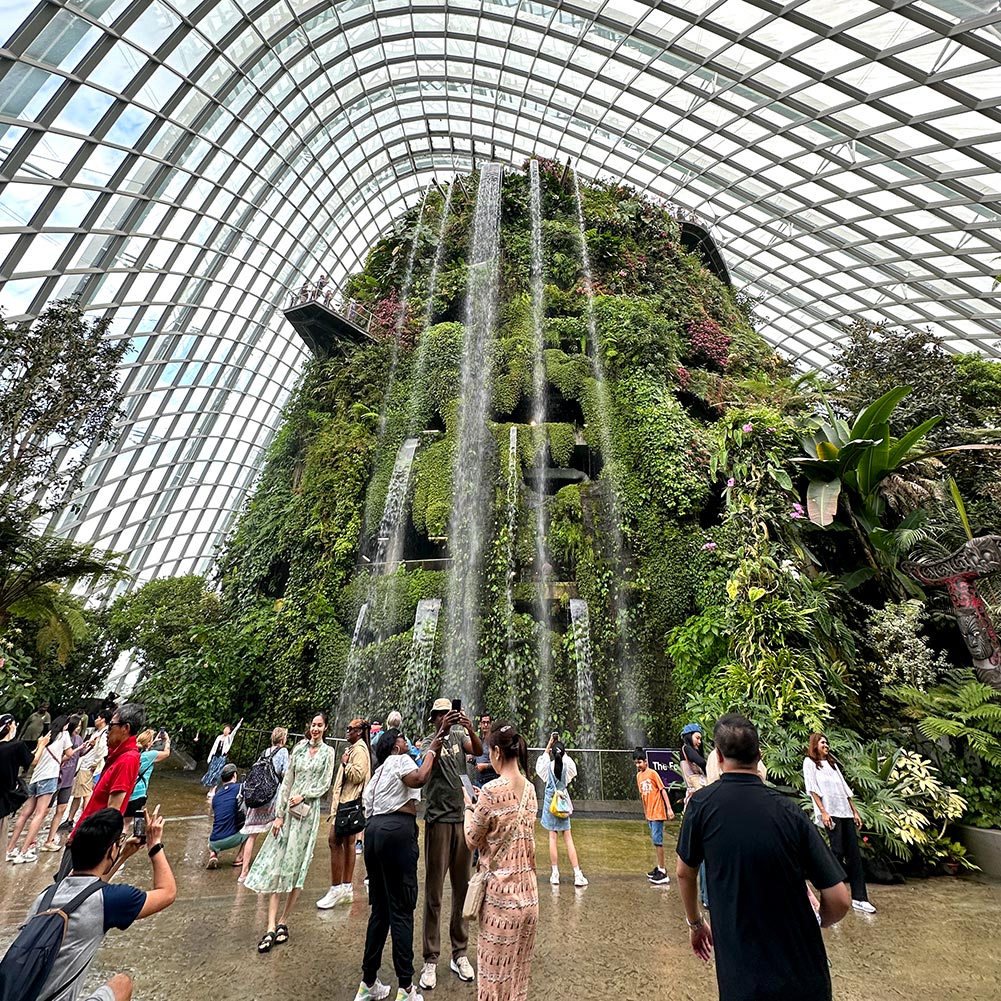
Gardens by the Bay
Gardens by the Bay is what Singapore wishes its climate felt like. The highlights of course are the two cooled conservatories: Flower Dome with its colourful displays and international array of flowers, and Cloud Forest with its impressive waterfall and foilage.
Outside the domes, there are actually plenty of gardens dotted with ponds, plants and even some outdoor sculptures that are great for a stroll, but definitely do that in the morning or evening when it’s cooler. You can also walk to Marina Barrage to enjoy an alternative view of Singapore from its green roof.
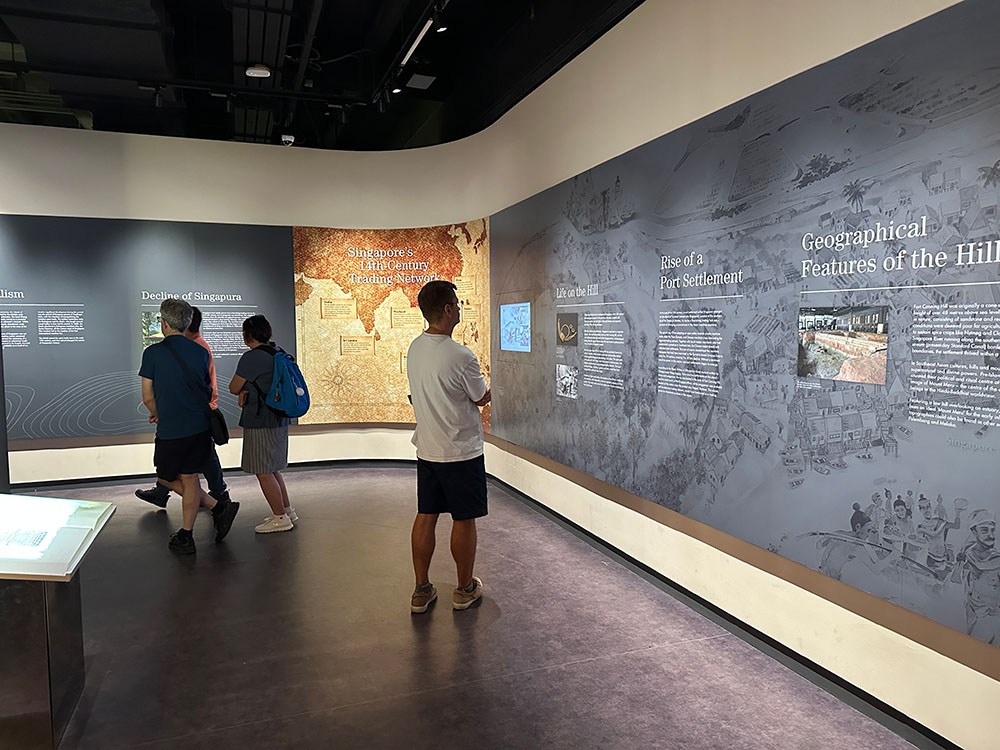
Fort Canning Hill
Fort Canning Park located behind the National Museum of Singapore is both historic and very green, with a collection of themed gardens atop its hill.
Most people stop by just to take photos at the famous spiral staircase, but if you are willing to walk a little, you can see a number of historical sights here like the former Governor House, as well as the spice garden with crops that were grown in the original botanic gardens that was located here.
Stay cool here by taking the lift within the National Museum up to level 3 to skip some slopes. You can also pop into the Fort Canning Heritage Gallery which is both air-conditioned and free fora break and some insight into the history of the hill.
Singapore has several nature parks for hiking and trekking enthusiasts, though make sure to keep cool and hydrated in the tropical humidity if you plan to be outdoors. Aim to hike early in the morning to escape the heat.
NParks is a pretty good resource to learn all about Singapore’s many parks and nature reserves, but here are some of the places that I’ve checked out for myself.
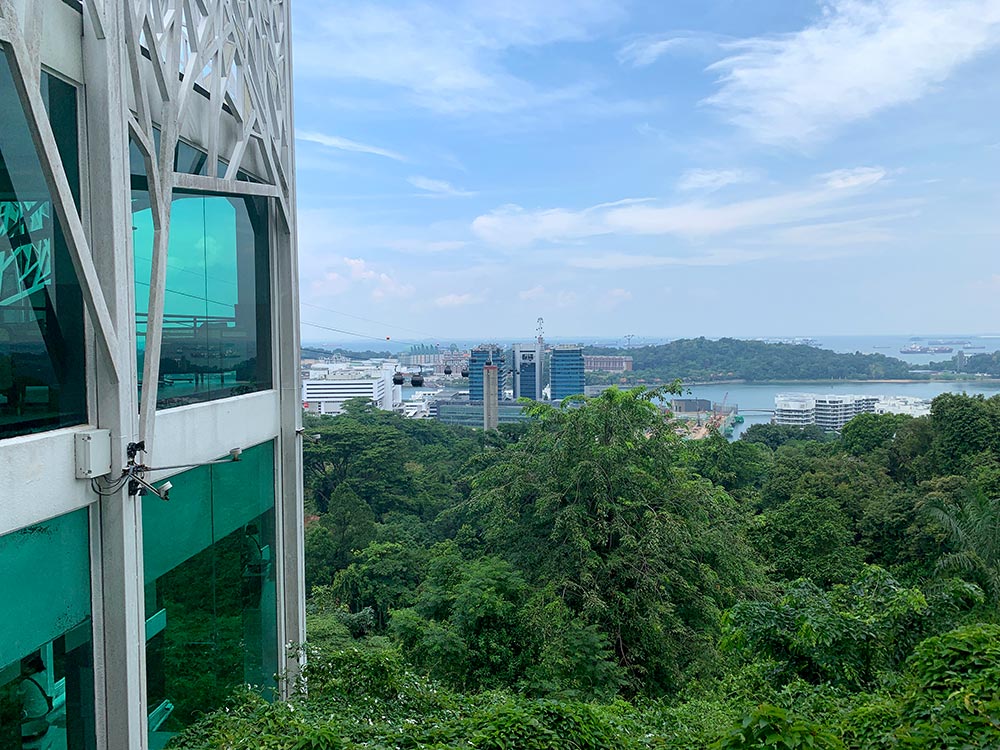
Southern Ridges
This 10km trek along the hill range of Singapore’s southwestern coast is scenic and well maintained with lots of interesting stops along the way.
Start at Mount Faber where the cable cars to Sentosa are located. The picturesque Henderson Waves and Alexandra Arch are the highlights of the trail and some of Singapore’s highest pedestrian bridges. You can swing by Hort Park or head down towards Labrador Nature Reserve for some coastal boardwalks as well.

Rail Corridor
The 24km green corridor that goes from southern Tanjong Pagar up north to Kranji follows the former railway tracks that connected Singapore to Malaysia. Now defunct, these tracks have been turned into a green vein and are great for hiking.
There are 3 parts to the Rail Corridor – North, Central and South. I reckon the Central portion is the most interesting part. Take the MRT to Hillview station on the Downtown line and start from The Rail Mall and head southwards. You can pop out to the Former Ford Factory, see more quarries and parks along the way or grab a bite at Beauty World.
I recommend heading to the former Bukit Timah Railway Station, where you can exit and. hopback on the MRT at King Albert Park Station.
Sungei Buloh Nature Reserve
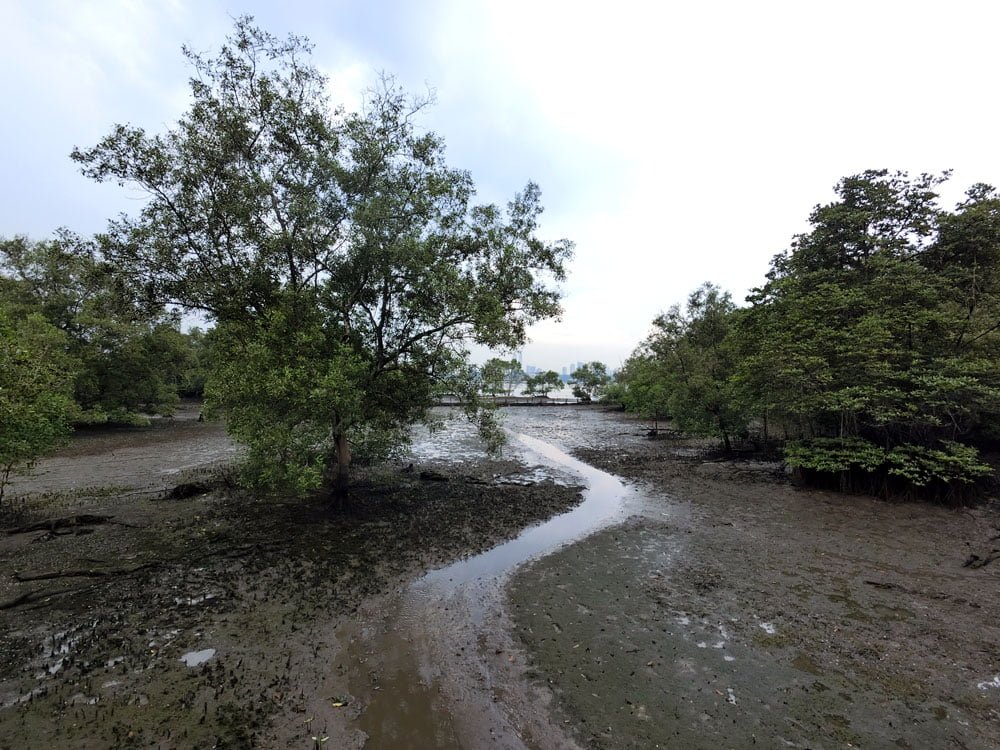
One of the best wetland nature reserves and spots for migratory bird watching is up in the northwest called Sungei Buloh Nature Reserve. Not the easiest spot to get to, but you’ll be rewarded with some of Singapore’s last mangroves and lots of interesting critters.
Since you’re already up here, you should also check out Kranji Reservoir Park and Kranji Marshes. If you have your own private transport, I’d recommend going to see some of Singapore’s last few farms as well. Bollywood Veggies or Gardenasia are good places to stop for a bite.
Bukit Timah and Bukit Batok Nature Reserves
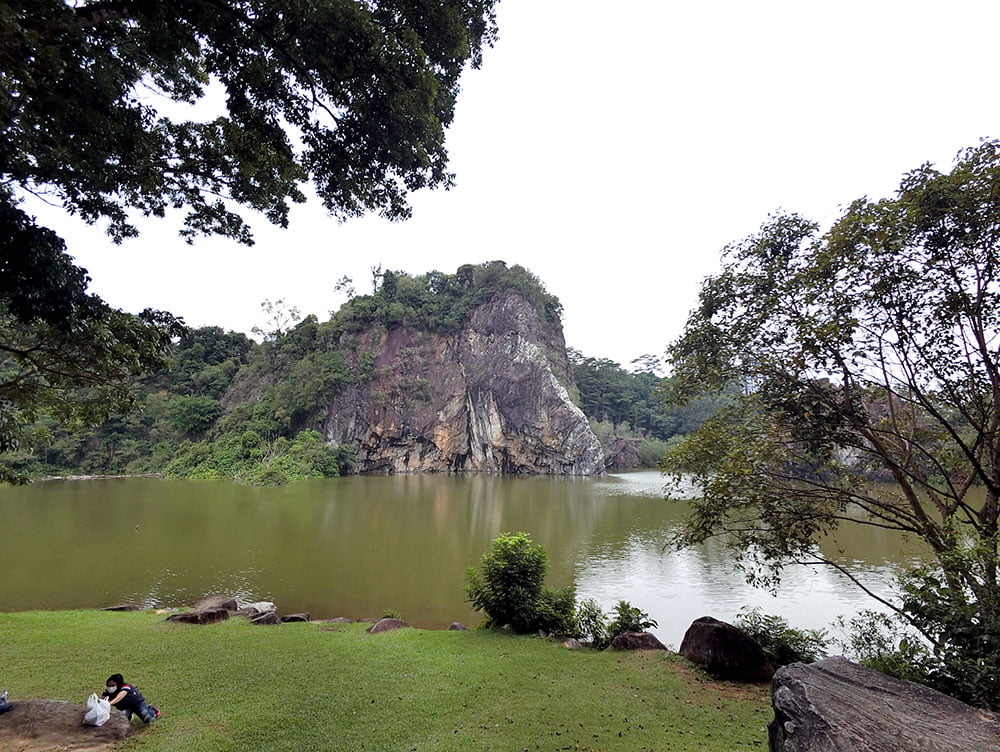
Former granite quarries in Singapore’s western residential neighbourhood of Bukit Batok have been transformed into scenic parks that make for a nice stroll. You can check out Bukit Batok Nature Park and Bukit Batok Town Park (also known as Xiao Guilin for its resemblance to the actual place in China)
There are several other quarries and parks nearby that are also worth hiking, including Bukit Timah Nature Reserve with Singapore’s tallest hill. You can even do some offroad biking in some of these parks.

Keppel Hill Reservoir
This once-forgotten reservoir near Mount Faber was left off maps for over 50 years and makes for a fun short hike if you are exploring the Southern Ridges. Close by at Seah Im Food Centre is another oddity – an abandoned bunker – just behind its carpark.
This is a pretty obscure place that even lots of local Singaporans don’t know about. I recommend going when its drier because the path is quite muddy.
Singapore is a part of an archipelago with many smaller islands off its shores, but not all of these islands can be visited as they are used for industrial purposes. There are a handful of Singapore islands that you can visit and they make for a fun day trip option without without breaking out your passport.

Sentosa
Most people are there for the resort attractions, but if you’re looking for nature on Sentosa, you can enjoy Siloso, Palawan and Tanjong Beach along the southern coastline with nice white (imported) sand. The Singapore Oceanarium is more commercial and ticketed, but it’s quite extensive and interactive, and not a bad option if it’s too hot outside.
I would also recommend checking out the historic Fort Siloso on the western side of the island. The panoramic 11-storey tall Fort Siloso Skywalk bridge offers great views and you can see exhibits related to WWII in this preserved British sea fort as well.
Sentosa is the easiest island to access from Singapore’s main land by bus/car, monorail and even cable car.

Pulau Ubin
Pulau Ubin on the northeast shore is home to an excellent nature reserve Chek Jawa Wetland Reserve, stone quarries for some cycling and hiking, and one of Singapore’s last remaining villages. It’s a great day trip and escape from city life.
Take a bumboat from the pier at Changi Village to get to Pulau Ubin. You can rent bicycles to get around from the main village or hire a van to get you to Chek Jawa.
Southern Islands
Singapore’s Southern Island cluster consists of St John’s Island, Lazarus Island, Kusu Island and Big Sister Island. These islands are mostly uninhabited – you can stay overnight on St John’s Island but honestly there’s not much in terms of facilities. These little islands are great for a day out on the water or exploring their beaches and even a pilgrimage temple.
Take a ferry from Marina South Pier to get to the cluster of Southern Islands. Keep an eye on the schedule/timing, or you can hire a private boat if you have a group or want some flexibility.
Southern Shoal
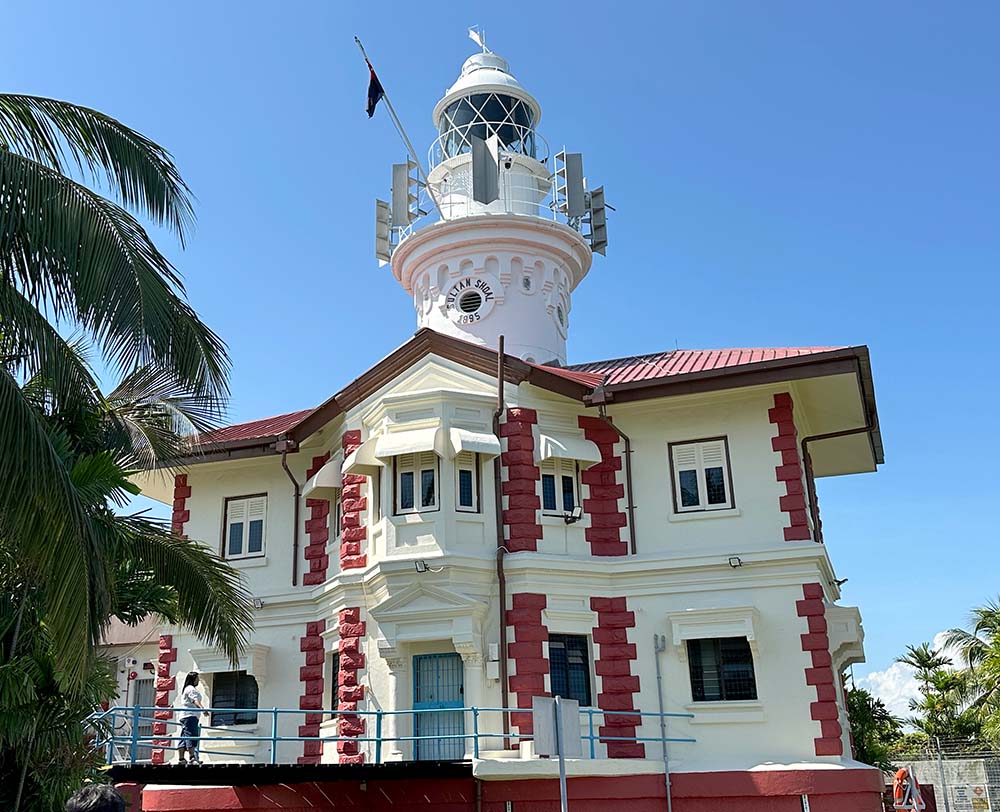
Something more offbeat you can consider is checking out some of Singapore’s historic lighthouses. Southern Shoal Lighthouse is located in the middle of what is now the Tuas megaport area, so you can see land reclamation and Singapore’s busy port facilities in action as well.
You have to take a guided tour to get to Southern Shoal Lighthouse. Read more in my guide. You used to also be able to visit Raffles Lighthouse on Pulau Satumu which is further away, but that tour is on hiatus right now but you can also read about that if you are interested.
Pulau Hantu
Pulau Hantu is another southern island, but this one doesn’t have public access via ferries. You can only get to this island by private charter, usually if you join a local dive group to scuba dive in the waters around this offshore island. In its murky depths you might find some unusual nudibranchs, seahorses and more!
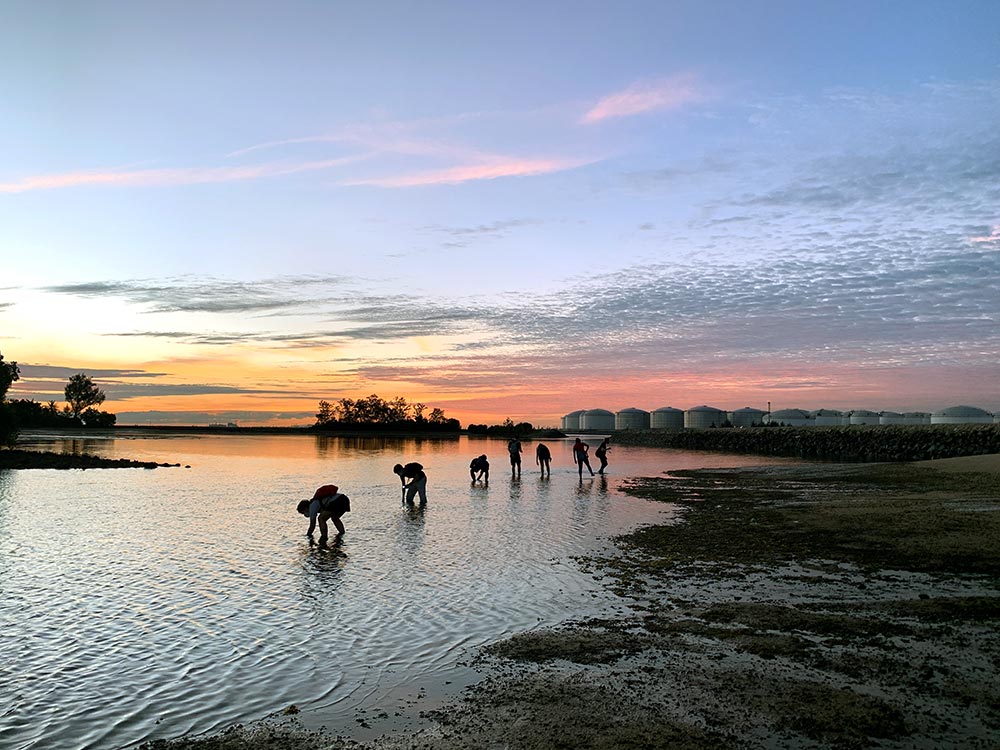
Alternatively, there are groups that organise intertidal walks and charter their own ferry that you can join to see the wildlife and critters along Singapore shores, but typically the timings are around dawn/dusk and dependent on the tide. Beware of sandflies, cover your limbs!
Singapore Food and Hawker Centre Recommendations

Food is an essential way to experience Singapore and its multicultural landscape. Singapore’s ubiquitous hawker centres are one of the best places to find a diverse range of affordable, tasty food in a place where locals frequent day and night.
Some terminology to help you out:
- Hawker Centre – Non air conditioned food centre with a large collection of food stalls. Typically these are attached to wet markets or sundry markets in residential neighbourhood centres.Usually government run.
- Food Court – The evolution of the hawker centre with air-conditioning for more comfort. These are typically found in shopping malls. Usually privately owned.
- Kopitiam – Literally ‘coffeeshop’ these are smaller food centres of around 4-8 food stalls typically found under residential public housing blocks or in industrial estates. Usually privately owned.
Honestly this is a complicated question as Singapore is so multicultural. Many of Singapore’s foods are unique because our ancestors brought their recipes from home and used local ingredients or were inspired by neighbouring customs.
I tried to breakdown what to eat and drink in Singapore for this article on Lonely Planet. You can also read this article I wrote about Singaporean foods you can get for under S$5 (probably under S$10 with inflation these days).
If I’m bringing my friends out for some of my favourite Singaporean dishes, some options that come up include:

Hainanese Chicken Rice
We call it Hainanese Chicken Rice in Singapore, but in Hainan the closest dish you’ll find is Wenchang Chicken Rice, the original dish it was based off. Succulent poached chicken atop tasty fragrant rice and garnished with a selection of sweet chilli, thick soya sauce and garlic sauce. It’s a dish I miss when I’m away from Singapore for too long!
There are plenty of chicken rice stalls across Singapore with the most famous being Tian Tian Chicken Rice at Maxwell Hawker Centre (try Ah Tai a few doors down if you want less queues!), but also household chain names like Boon Tong Kee and Wee Nam Kee.

Roti Prata
India has plenty of flatbread options, but one of my favourite Singaporean Indian dishes is Roti Prata, a South Indian flatbread. In Malaysia it’s better known as Roti Canai. My favourite way to order this with an egg and/or cheese and dip it in curry. Kids or spice-averse can eat this plain with a dash of sugar.
I like the roti prata at Jom Makan when I’m at Tekka Food Centre and Mr and Mrs Moghan over along Joo Chiat Road, but there are specialty roti prata eating houses where you can order some really fancy pratas that include mushrooms, sausages and even ice cream.

Chilli / Black Pepper Crab
Seafood lovers definitely need to try Singaporean style chilli crab and get the fried mantou buns to mop up the sweet chilli-egg sauce. My personal favourite is black pepper crab where the crab is covered with savoury black pepper sauce, or crab beehoon soup where the crab is served in a claypot with a sumptuous thick beehoon noodle soup.
Jumbo Seafood is one of my longtime favourite seafood restaurants for both chilli and black pepper crabs and also very accessible for tourists. For crab beehoon soup, my pick is Mellban Seafood.
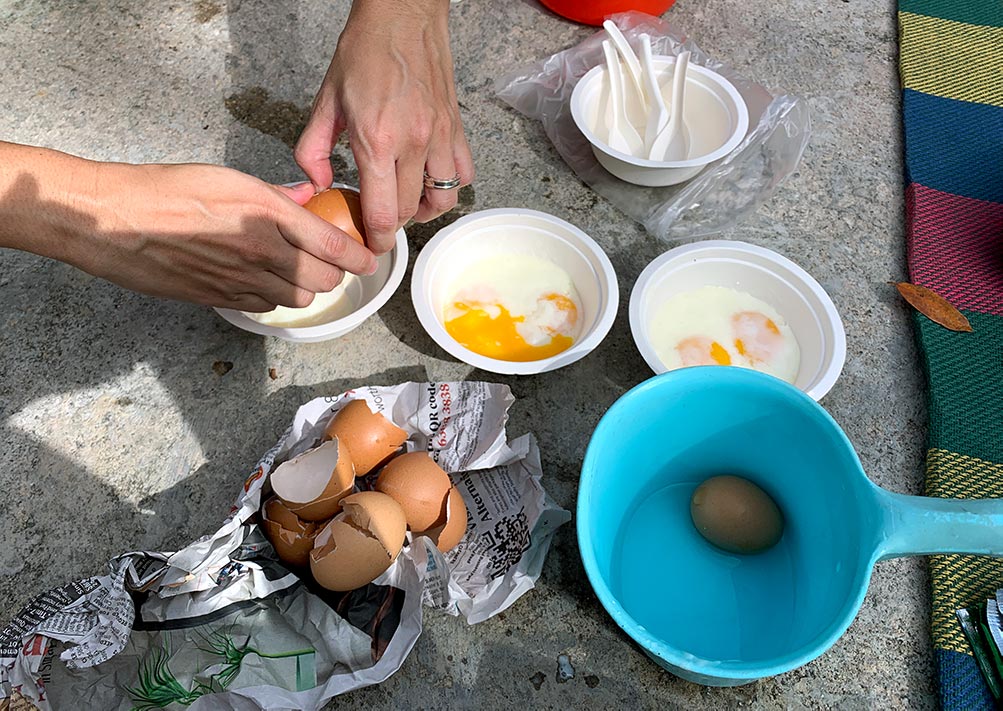
Traditional Breakfast Set: Half-boiled eggs + Kaya Toast
The traditional breakfast set was created by the local Hainanese for the early British settlers to mimic their breakfast back home, but adapted to local ingredients. A pair of half-boiled eggs are cracked into a saucer and garnished with soya sauce and pepper, kaya toast – crispy bread is slathered with kaya (coconut custard) and butter, and all washed down with local kopi (coffee) or teh (tea).
Many places sell the breakfast set only in the morning, but franchise brands like Ya Kun and Toast Box sell this classic combo all day long.
Ask 10 Singaporeans which is their favourite hawker centres and they’ll give you 10 different answers… and fight about whose is really the best.
I stand by this list of the 10 best hawker centres in Singapore that I wrote for Culture Trip.
Here’s my shortlist of favourite hawker centres in Singapore to introduce visitors to our local food culture:
Tekka Food Centre
Tekka Market in Little India is one of the more famous wet markets in Singapore, and its adjoining Tekka Food Centre is also known for very good hawker food. Indian staples like nasi briyani, roti prata and Indian rojak are all great foods to try, but there are plenty of non-Indian food options available too.
Old Airport Road Food Centre
Old Airport Road Food Centre is a little bit off the usual tourist trail in the Mounbatten/Dakota district. I used to work near this hawker centre and I like that it’s more local and has a nice selection of reliably good hawker food.
Tiong Bahru Food Centre
Tiong Bahru is a hip gentrified neighbourhood and one of the oldest public housing estates in Singapore. Right in the centre is the refurbished Tiong Bahru Food Centre on the 2nd floor above the market and is a nice option for visitors looking to get a glimpse of local life.
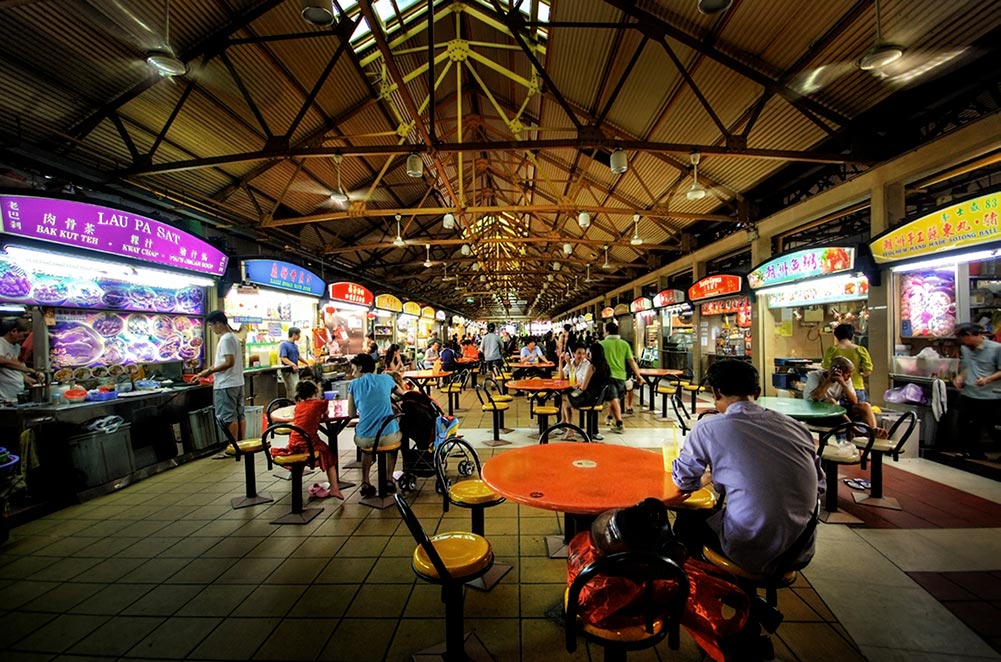
Chinatown Hawker Centres
Chinatown is a great place with some awesome hawker centres. Chinatown Complex Food Centre is the largest hawker centre in Singapore with over 260 stalls and a renowned (former) 1-Michelin star stall.
Maxwell Food Centre is a little less intimidating and particularly famous for Hainanese Chicken Rice. Nearby, Amoy Street Food Centre has two floors of great food and Hong Lim Food Centre next to Chinatown Point is a local favourite.
Museums, Arts & Culture in Singapore
I’ve worked in the arts sector for several years in Singapore and we have some lovely museums here that are perfect for arts and culture lovers to explore.

Most museums in Singapore are free for Singaporeans and PRs, but there aren’t many free museum options for visitors. I’ve put together this list of free museums and galleries for visitors to Singapore for those on a budget.
This must-visit museums in Singapore article that I wrote for Culture Trip needs a bit of updating, but it’s a good overview of the major national institutions in Singapore worth checking out.
If you prefer being outside the traditional galleries, check out my Singapore Street Art page for more on my favourite neighbourhoods for street art hunting in Singapore or this Culture Trip article about public sculptures in Singapore.
Singapore was once known as the Garden City, though these days that tagline has evolved into City in Nature so we’re starting to appreciate the wilder side of Singapore a bit more. But we’re still very good at manicured gardens and have produced some world-class green spaces.

National Museum of Singapore
The National Museum of Singapore (NMS) is Singapore’s oldest museum and housed in a beautiful historic building, but the content is far from old and boring with interesting and immersive exhibits that tell you about Singapore’s past and growth through the years.
The Singapore Odyssea permanent exhibit in the glass rotunda with a RFID wristband is quite a fun way to look at Singapore’s history and wildlife. The other permanent exhibit Singapore History Gallery is also a great insight into everyday Singaporean life.
National Gallery of Singapore
The National Gallery of Singapore (NGS) is home to the largest collection of Southeast Asian modern art. Housed in the former City Hall and Supreme Court, NGS is worth checking out even if you don’t want to visit the galleries – you can admire the architecture inside and outside for free.
There are quite a lot of art resources for those with children on site, and some thing more fun is a glimpse of the old prison cells used in the former supreme court, and a tour that shows you some historical secrets of the building.

Singapore Art Museum
The Singapore Art Museum (SAM) is for those into contemporary art. SAM is housed in Tanjong Pagar Distripark near the port, and there are several other smaller contemporary art galleries in the same compound.
SAM is also directly opposite and connected to the former Tanjong Pagar Railway Station.
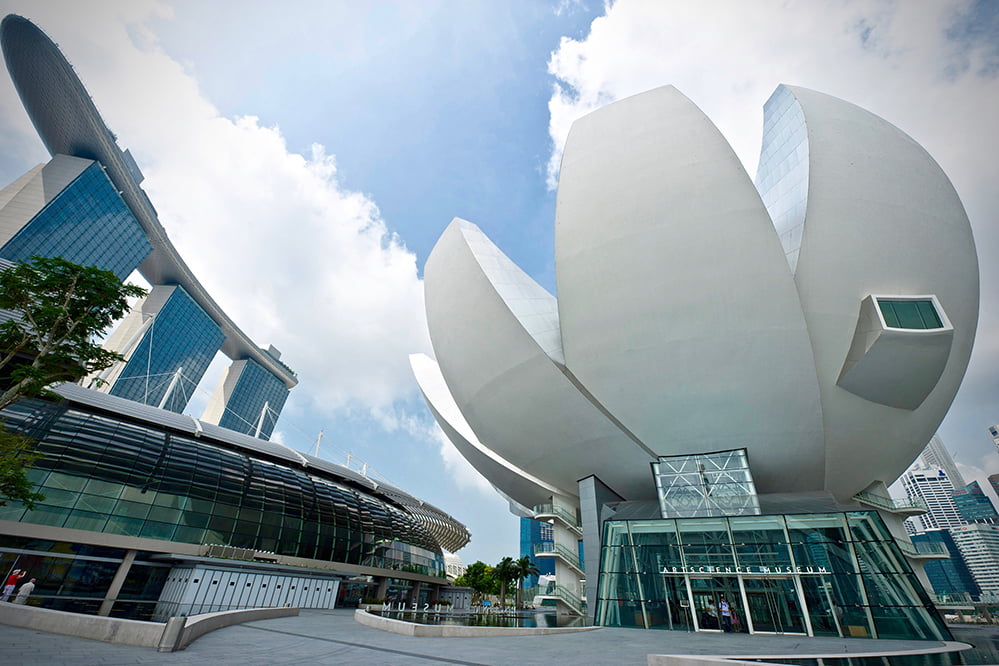
ArtScience Museum
The iconic lotus-shaped ArtScience Museum is very popular for its very instagrammable rooms and exhibits, and it usually has exhibits themed around pop-culture favourites.
For those with a little more time, here are some of the more niche museums and offbeat cultural attractions that you can check out in Singapore. Read more on my article on niche museums in Singapore.
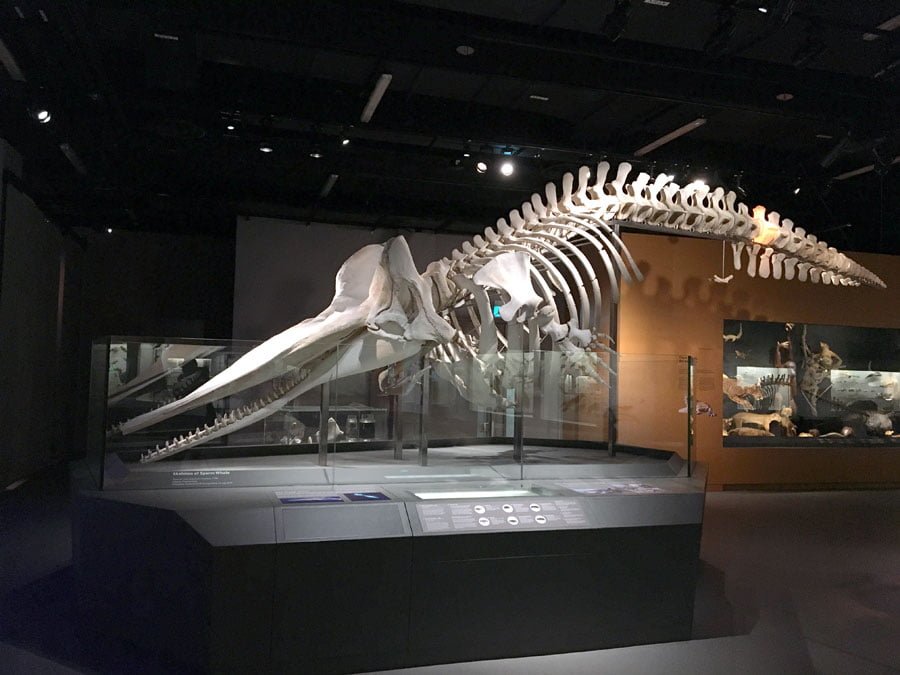
Lee Kong Chian Natural History Museum
The Lee Kong Chian Natural History Museum (LKCNHM) located on the National Unniversity of Singapore campus is one of my personal favourite niche museums in Singapore where you can learn about local biodiversity and see some impressive skeletons up close, including a whale that washed up on our shores some years ago.

Haw Par Villa
Haw Par Villa is a rather strange, once-popular park is home to some pretty bizarre half-human/animal statues and dioramas that depict Chinese tales, ethics and weird international tributes.
The infamous 10 Courts of Hell is now located within the Hell’s Museum dedicated to death practices in Singapore and around the world, which is a paid section of the otherwise free park.

Former Ford Factory
The Former Ford Factory is for those interested in Singapore’s WWII history. This is a historically significant site where the British surrendered to the Japanese back in 1942, and is now a museum with exhibits documenting Singapore during the occupation years.
The museum is along the Downtown Line, but if you’re coming all the way out to this western area, consider doing a bit of hiking along the Rail Corridor or checking out the surrounding nature parks and the Rail Mall area.
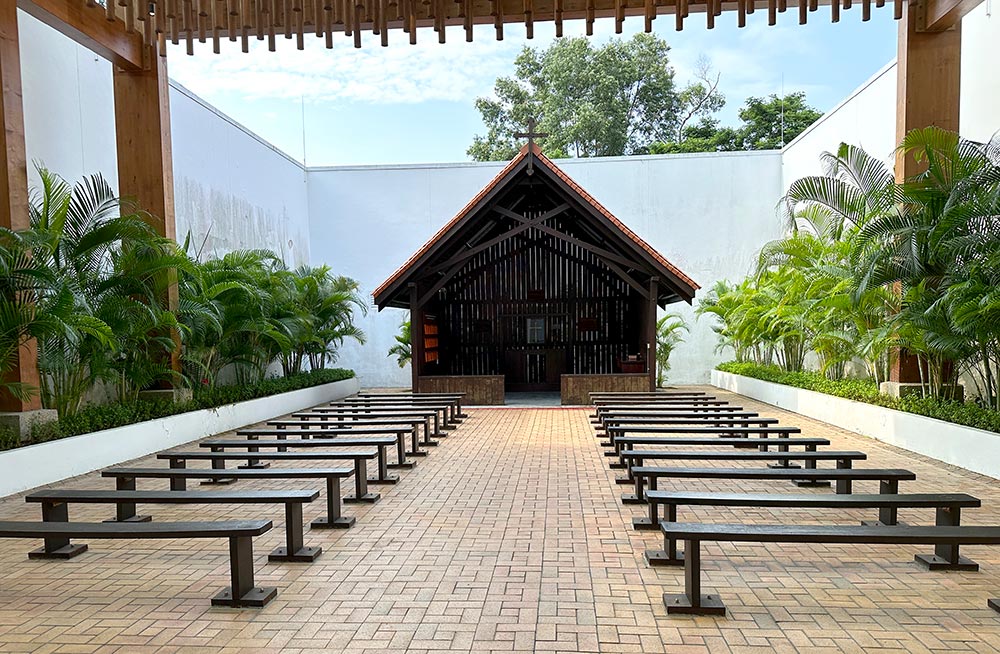
Changi Chapel and Museum
The Changi Chapel and Museum is quite out of the way in the far eastern end of Singapore, but it’s a historically significant place for the ex-POWs and their family members as it commemorates the prison grounds that were used to house internees and POWs during WWII, including the recreation of a historic chapel and murals.
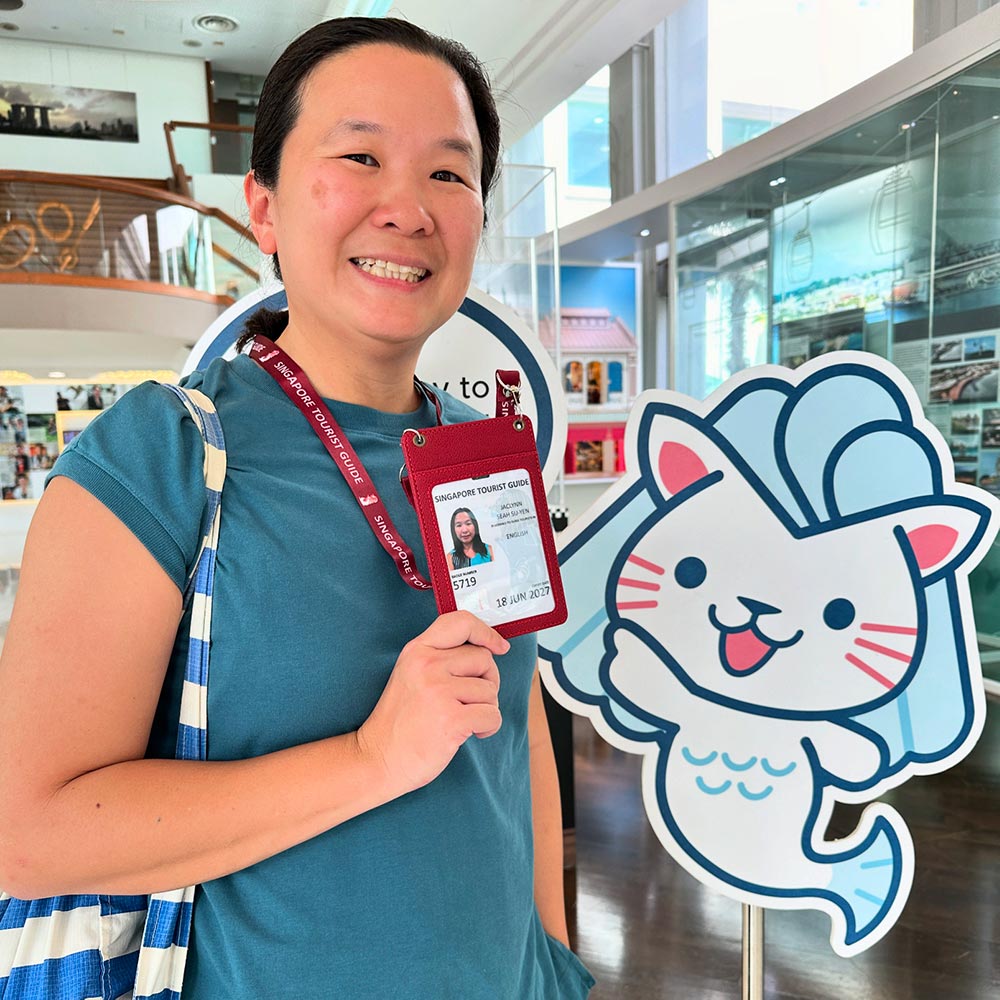
Hire me as your tourist guide in Singapore
Yes I am a licensed Singapore tourist guide
If you enjoy reading my blog or feel like I can understand your vibe and travel style, you can always hire me to show you my home country and Singapore from my perspective. I love giving private customised tours and in particular street art tours.
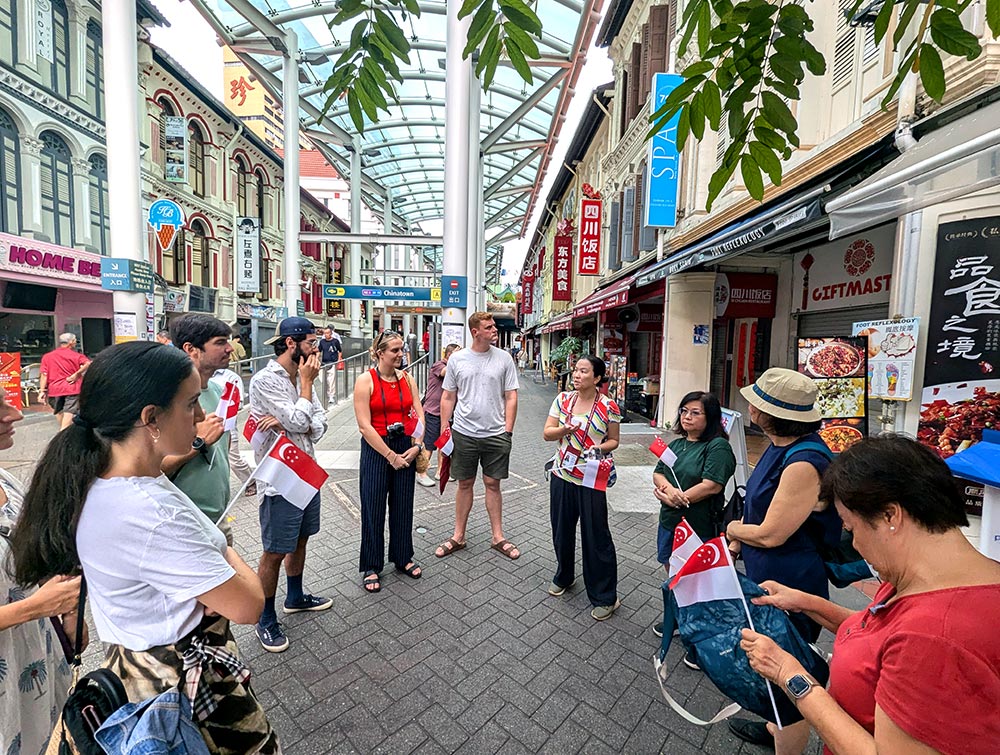
Indie Singapore Free Walking Tours
Tips based walking tours with a local
My favourite way to explore a new city is to join a free walking tour to get a quick overview of what to see there. Check out Indie Singapore Tours and their free walking tours with a local insider viewpoint in Chinatown, Little India, Kampong Gelam and the Singapore River every weekday, and if you’re very lucky you might get me as your guide! These are tips-based tours so you pay as you want.
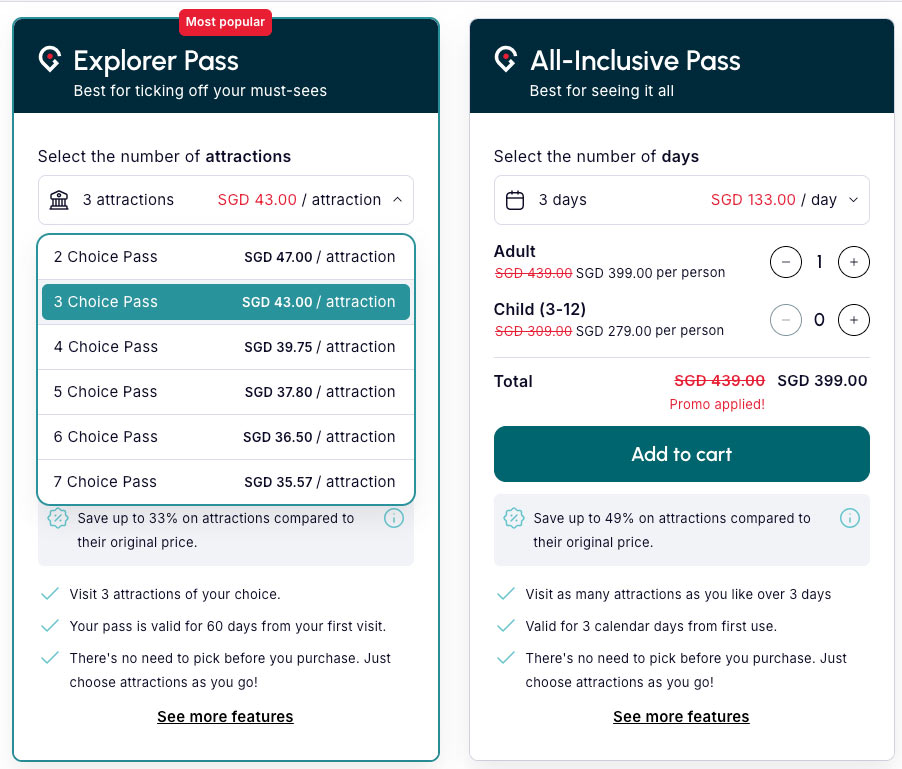
GoCity Singapore Pass review
Save money with tour attraction bundles
This remote northwestern corner of Singapore has some of the last remaining farms that you can visit like a goat farm and vegetable farm, as well as one of our best nature parks for animal and bird watching: Sungei Buloh Nature Reserve.