7 Zagreb Museums I Visited (and Who Will Love Each One)
I’d seen a lot of Croatia‘s beautiful Dalmatian coastline on my first visit during my career break, so I was stoked to finally spend some time at its inland capital of Zagreb. What Zagreb lacks in Adriatic sea views, it makes up for with an astonishing number of museums, and some rather unusual ones at that. I explored several Zagreb museums in my three days in the city – here’s a closer look at what to expect in each museum and who I think would enjoy them the most.
Enjoy museums? Check out my Vienna museum guide if you plan to pop into Austria on your trip.
- Visiting Zagreb: What to know before exploring its museums
- Why Zagreb is great for museum lovers
- Museum of Broken Relationships
- Croatian Museum of Naive Art
- Meštrović Atelier
- Zagreb City Museum
- Museum of Lost Tales
- Museum of Unfinished Art
- Museum of Contemporary Art
- More Zagreb museums I'll visit next time
- Is the Zagreb Card worth it for museum visits?
- Where I stayed in Zagreb
Visiting Zagreb: What to know before exploring its museums
Zagreb is the capital of Croatia and has quite a modern vibe. It does have a more international and city vibe in comparison with its coastal states, but like many European cities it also has that mix of old cobblestone town square alongside more modern buildings.
Zagreb can be split into an Upper Town (Gornji Grad) aka the old quarter on the hill where the historical buldings are located. Lower Town (Donji Grad) is at the southern foot of those hills and considered the newer and more modern area where you’ll find the main transport hubs. There is also a Novi Zagreb (New Zagreb) which is south of the city centre past the Sava River.
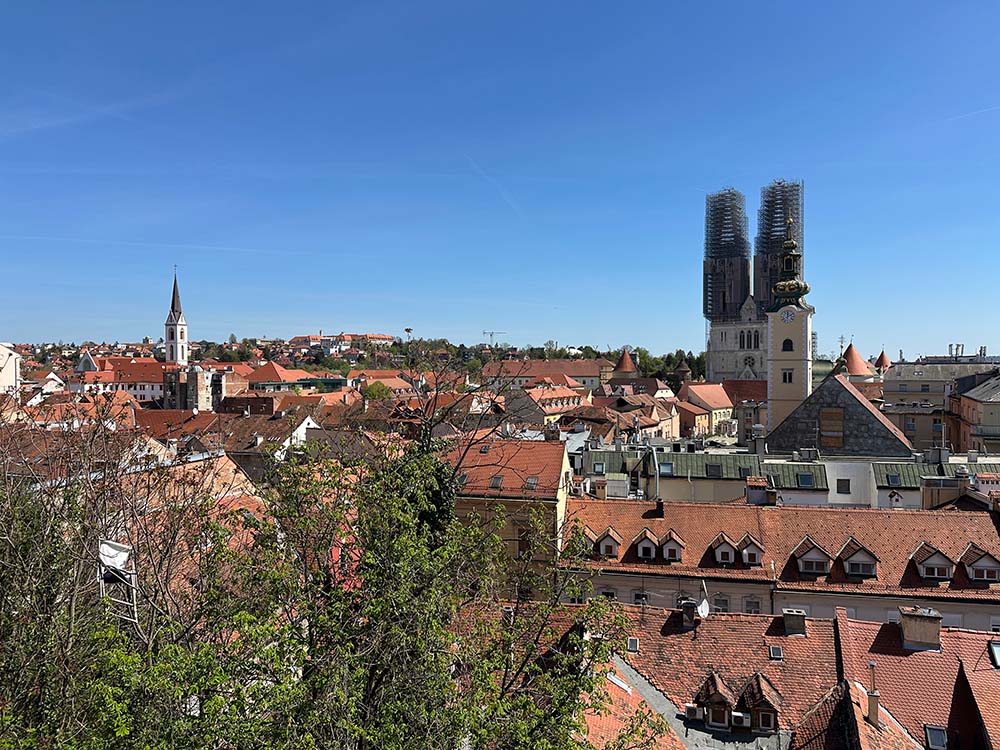
Zagreb’s Lower Town also has a rather interesting setup called the Lenuci Horseshoe or the Green Horseshoe. This is a U-shaped system of interconnected parks, town squares and home to many of Zagreb’s museums both large and small. Makes for a nice stroll between museums when the weather is nice.
Getting around Zagreb is pretty easy – you can walk to most places within the Upper and Lower Town, but there might be a fair amount of hill climbing getting to the Upper Town as its on a hill. Public Transport (ZET) – taking the tram or bus – is quite a convenient and affordable way to get around. Buy a ticket per trip or a day pass if you intend to move around a lot. You can get tickets at the kiosks, but what I thought was way more convenient was just using the ZET app on my phone to purchase tickets and check schedules.
Why Zagreb is great for museum lovers
Everyone experiences museums differently, so this list is very much based on what I enjoy as a traveller and my own personal taste in art. I prefer contemporary art over modern art, but I do like learning about the important classic artists of a country that define it. I’ve developed my own way of appreciating art as a non-artsy person, and overall I love street art, art deco and interesting architecture.
Here’s something else I’ve learned as a travel writer and tourist guide: Naming it a museum doesn’t always mean you’ll get a museum. Museums have a certain connotation of trusted research and historical lineage that establishments sometimes borrow to jazz up their joint a little bit. I don’t think all these so-called ‘museums’ may actually be museums, but I think I did a pretty good job filtering out the better ones in this list of Zagreb Museums.
Museum of Broken Relationships
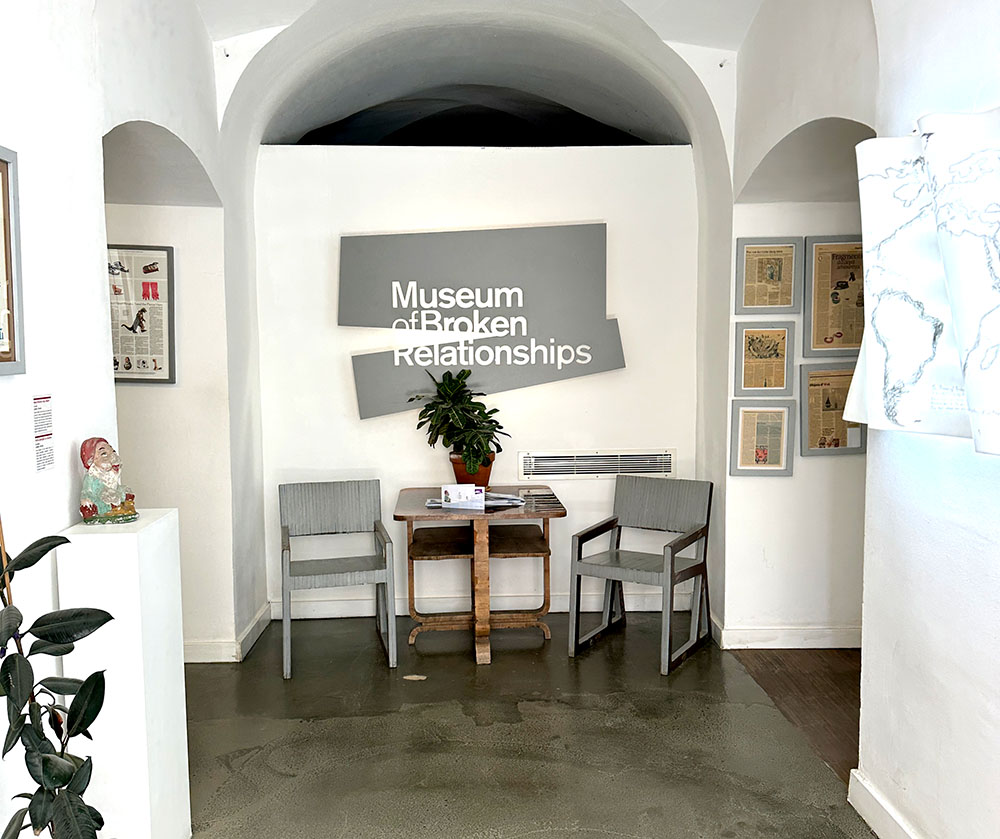
I’d read about The Museum of Broken Relationships on the internet long before I visited Zagreb, and it was one of the must-sees on my list for a long time because it just sounded so odd. I was glad to finally visit it, and it is as quirky as its name suggests.
What is the Museum of Broken Relationships about?
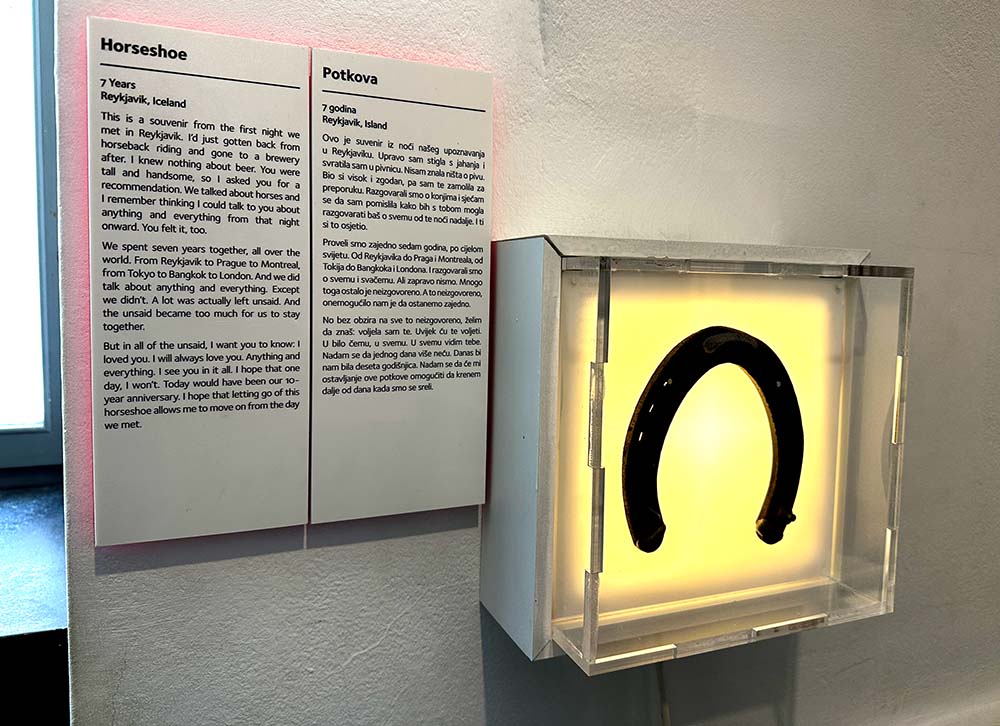
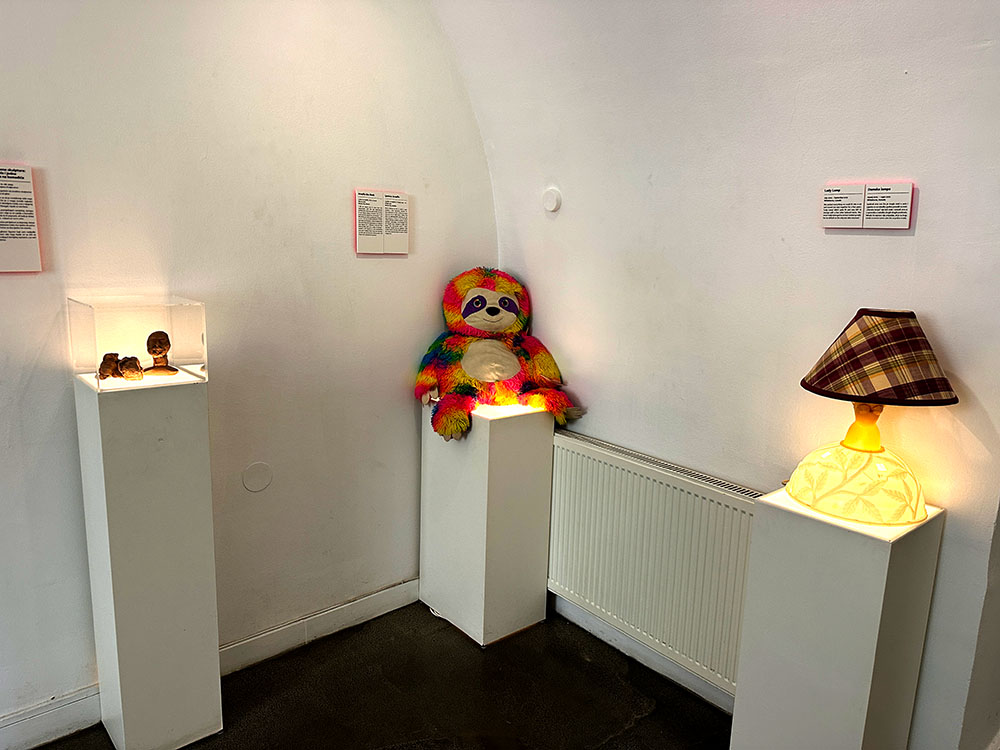
This museum collects donated items from people all around the world, each with their own story of the significance of the object to the relationship. These items are typically donated because those relationships have come to an end, so it’s pretty fun seeing the variety of strange objects and their associated stories. Some of the stories are hilarious, others are kinda poignant, it’s all very relatable.
Many relationships are romantic, but many of the stories also have to do with friendship, familial and other types of relationships. There were five sections with loose themes, and you can see the stories in both English and Croatian in the writeups by the item. You can also access more translations online if you need. I enjoyed just walking around, looking at the items and reading their stories.
What else is there to see and do
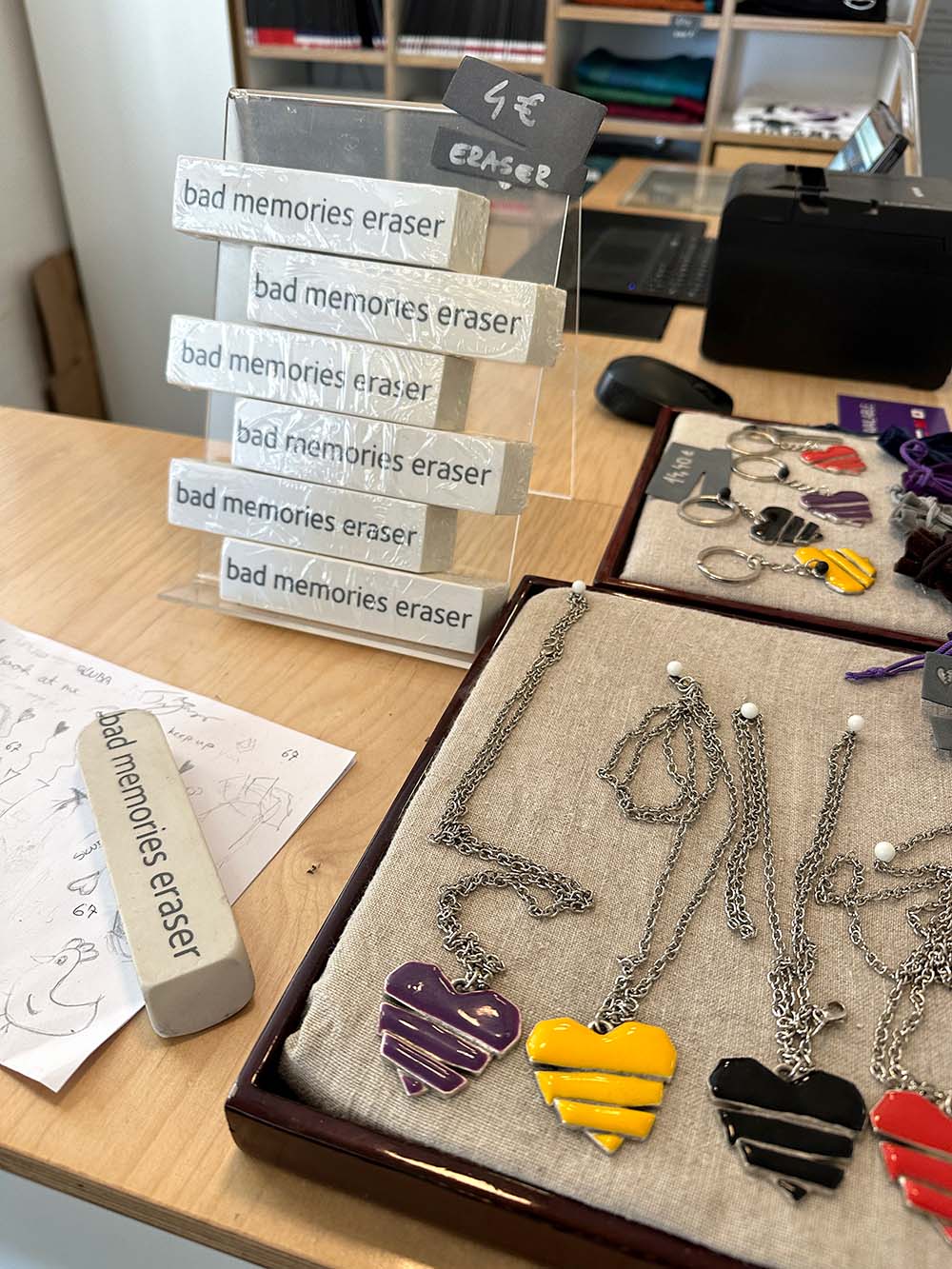
There is a small museum shop at the entrance selling some merchandise, as well as an attached cafe to the right of the entrance.
What stood out to me
The museum store definitely has some really interesting merchandise. Not the cheapest, but generally quite tongue in cheek. I bought socks declaring that I’m very single lol. The notebooks were also very cute.
Who I think should visit
This museum really is for anyone, because everybody has had some experience with relationships in their life, and it’s kinda nice seeing how universal some of these feelings are, or how absolutely bizarre some people’s lives can be. Adults will enjoy it more, but anyone who loves a good story can appreciate these tiny windows into another life. It’s a nice break from the more intensive art and history focused museums.
If you aren’t visiting Croatia anytime soon, a second permanent exhibition opened in late 2024 in Chiang Mai, Thailand! Definitely much easier for those in Asia to visit.
Museum of Broken Relationships (Muzej prekinutih veza) [Google maps]. Entry 9 Euros. This museum is located in the Upper Town not far from St Mark’s Church.
Croatian Museum of Naive Art
Right across the road from the Museum of Broken Relationships is this other small niche Croatian Museum of Naive Art. I was curious as to what Naive Art entailed so I popped over to check it out.
What is the Croatian Museum of Naive Art about?
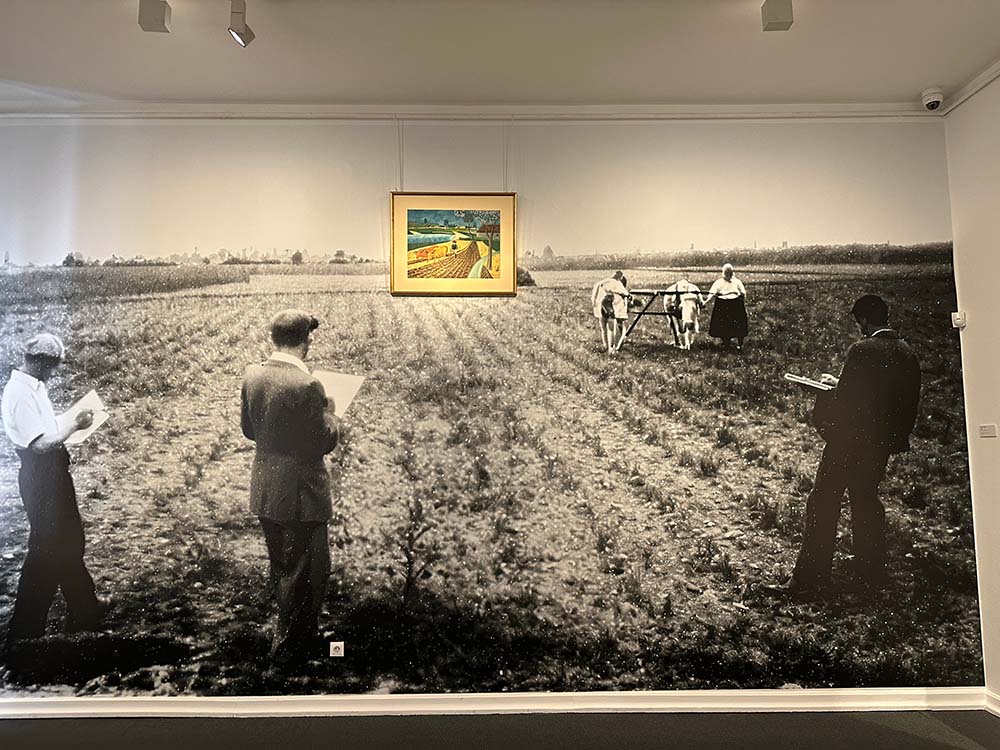
Naive Art in Croatia basically refers to artwork by people who were not technically trained as artists – these guys were typically blue collar workers or farmers. Stylistically, the artwork also tended be simple and ignore what were considered the classical rules of perspective and tend to focus more on the everyday life that they know. Sometimes this style is known as peasant art, outsider art or primitive art, though Google tells me they’re all slightly different things.
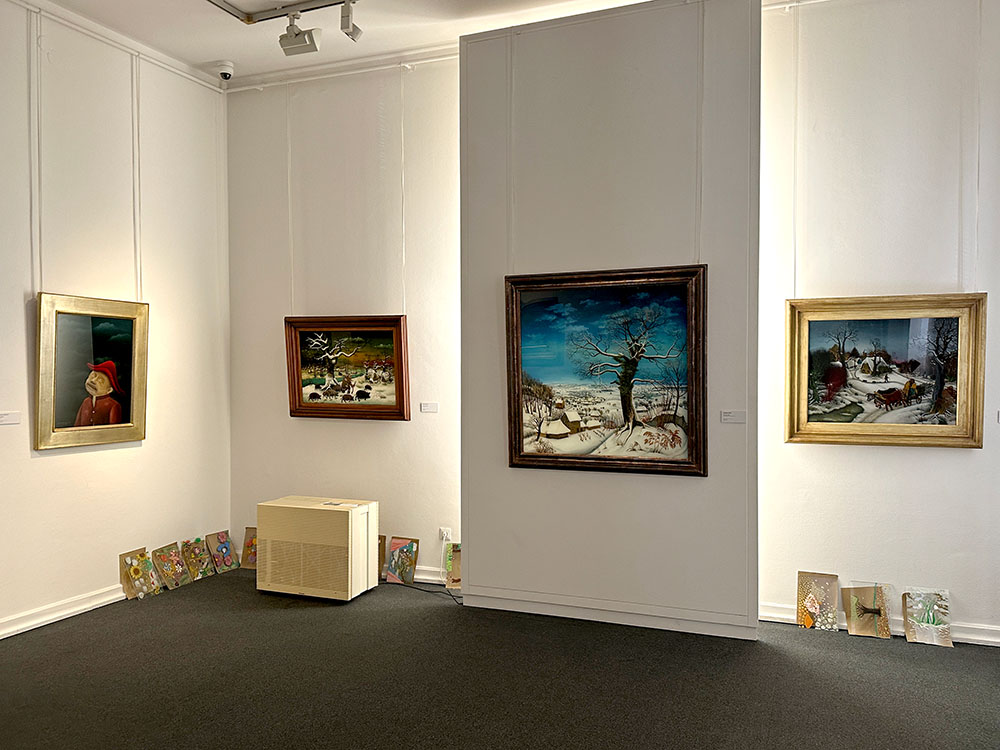
The museum isn’t very large but it has a fair number of painting and other sculptures across a few rooms. Most of these artists are Croatian – the first gallery shows some of these pioneers from the 1930s, and also showcases a particular group of artists from the village of Hlebine, a farming community which somehow churned out a number of these naive artists through the years.
I think art is in the eye of the beholder, and I think many of these guys are pretty talented. I don’t think I’d have been able to discern this as a different genre of art.
What else is there to see and do
There is a small museum shop counter at the entrance and some paintings you can see on the staircase up to the museum, but not much else here.
What stood out to me
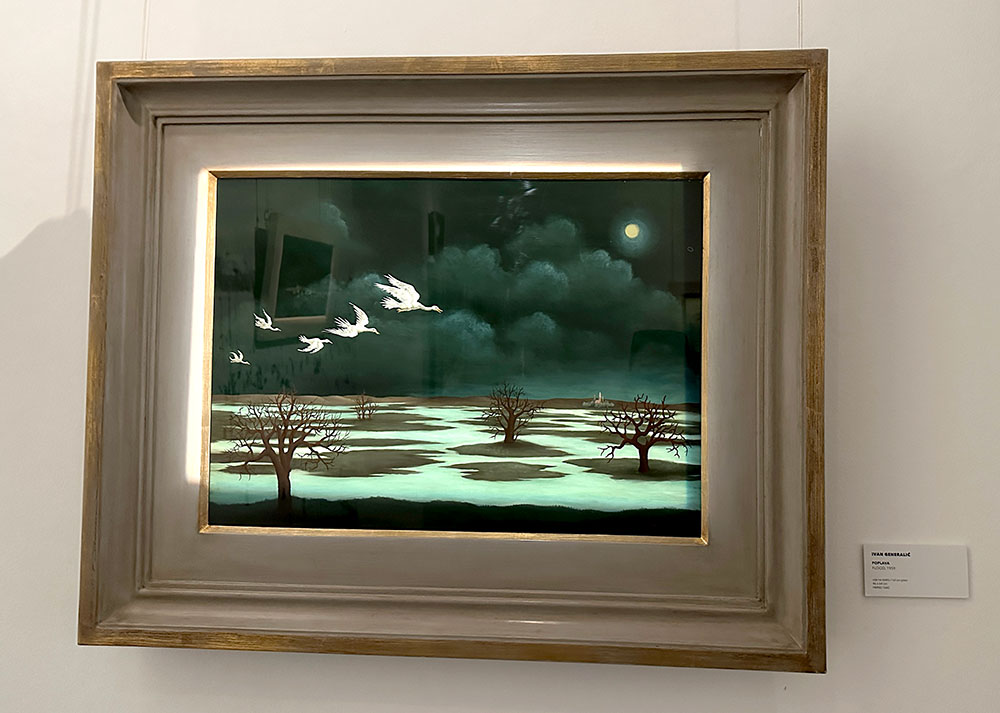
I quite like the colours and glowing feel of this work by Ivan Generalić called Poplava. Ivan Generalić turned out to be one of the pioneers and well-known artists of this genre. The way he does bare tree branches is particularly evocative.
Who I think should visit:
Does a Naive Artist remain a naive artist if they become exposed to museums, other artists and create their own art practice over time? Who knows, but this museum I think will be interesting for art lovers interested in exploring specific types of art forms and local Croatian artists who might be overshadowed in the larger art museums.
Croatian Museum of Naive Art (Hrvatski muzej naivne umjetnosti) [Google maps] Entry 5.5 Euros. Located in the Upper Town not far from St Mark’s Church, along the same road as Museum of Broken Relationships.
Meštrović Atelier
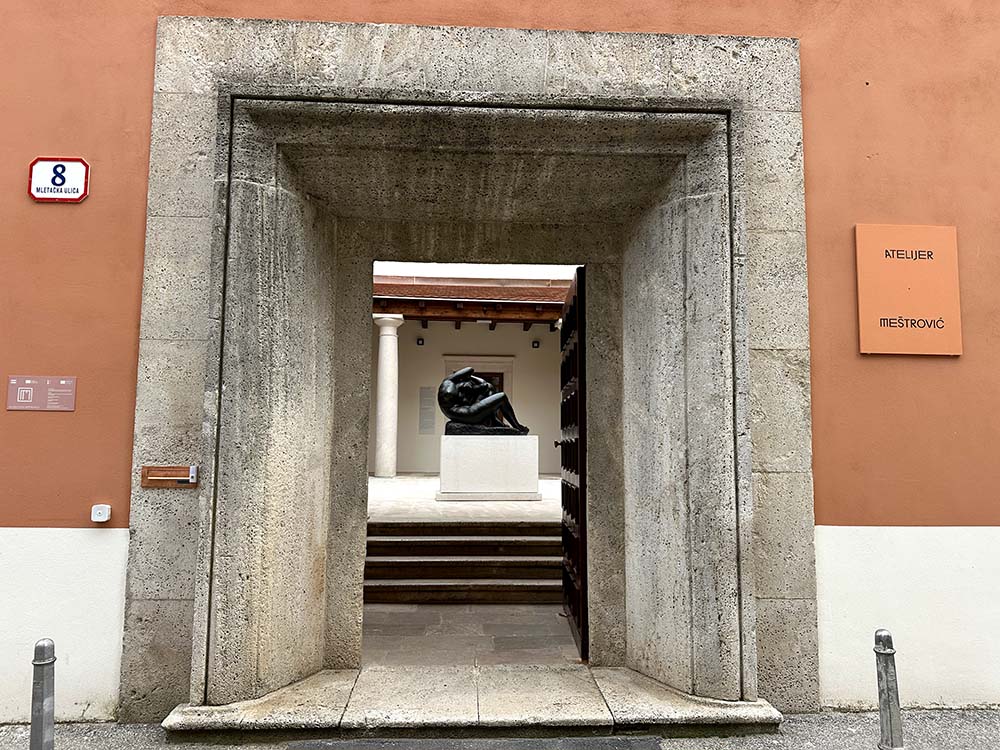
In a quieter part of the Gorni Grad is another museum that I visited, this time dedicated to one of Croatia and Zagreb’s foremost sculptors and architects, Ivan Meštrović. The building was quite badly damaged in the 2020 earthquake, and only just reopened at the end of 2025, so it looks like I got lucky visiting the Meštrović Atelier in March 2026!
After my visit to Vienna’s museums, I’m learning that I seem to like styles that came out of the Secession movement a lot – these were artists who were trying to move away from the ‘traditional’ style of art back in the day – Meštrović was a prominent figure during the Secession in the early 1900s.
What the Mestrovic Atelier is about
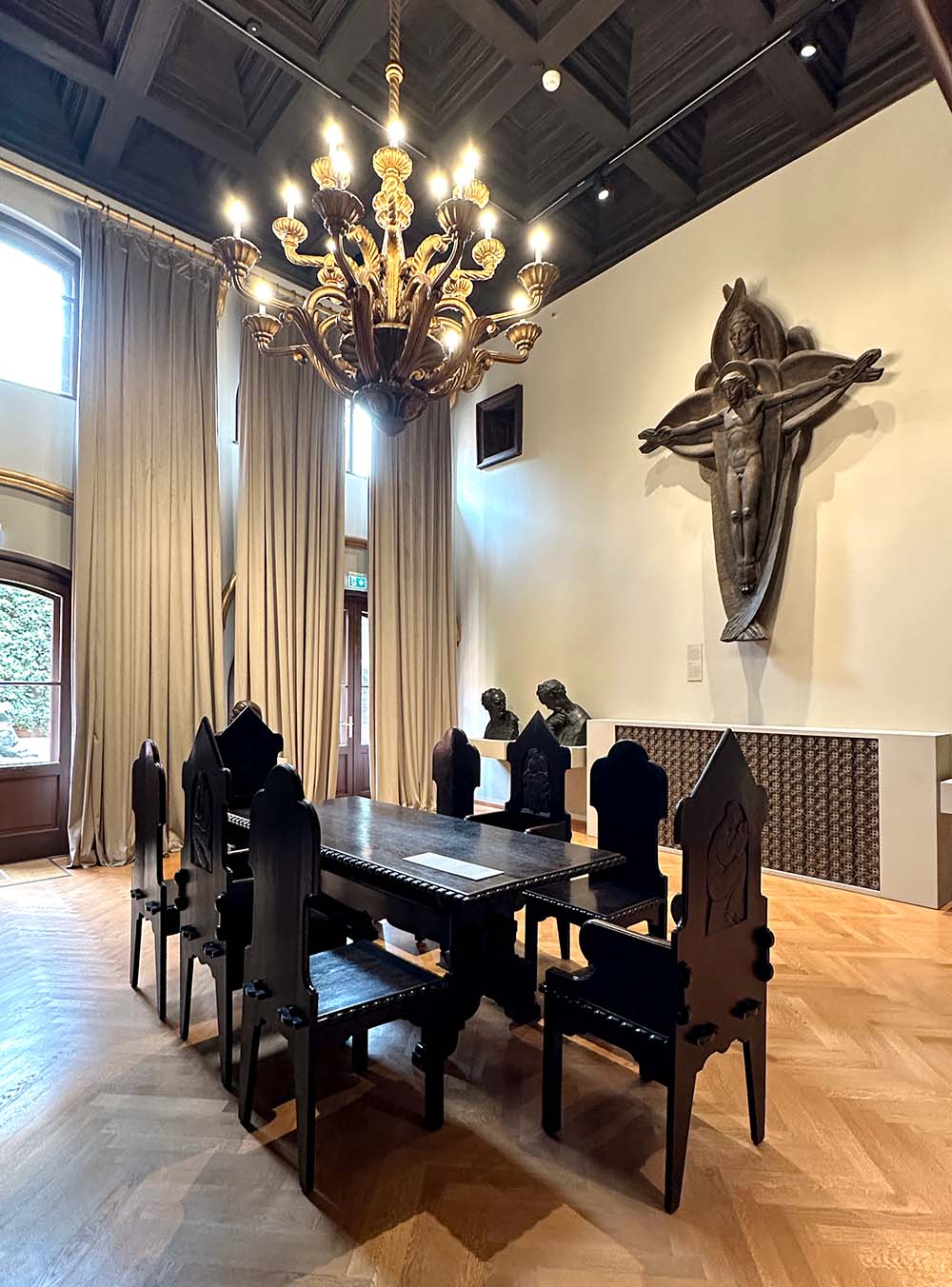
The Meštrović Atelier was a house that Meštrović purchased at the height of his early fame after his stints with the Vienna Secession and touring Europe. You can tell there’s something special about this building from the moment you enter, a starkly different style from the other surrounding houses in old Zagreb.
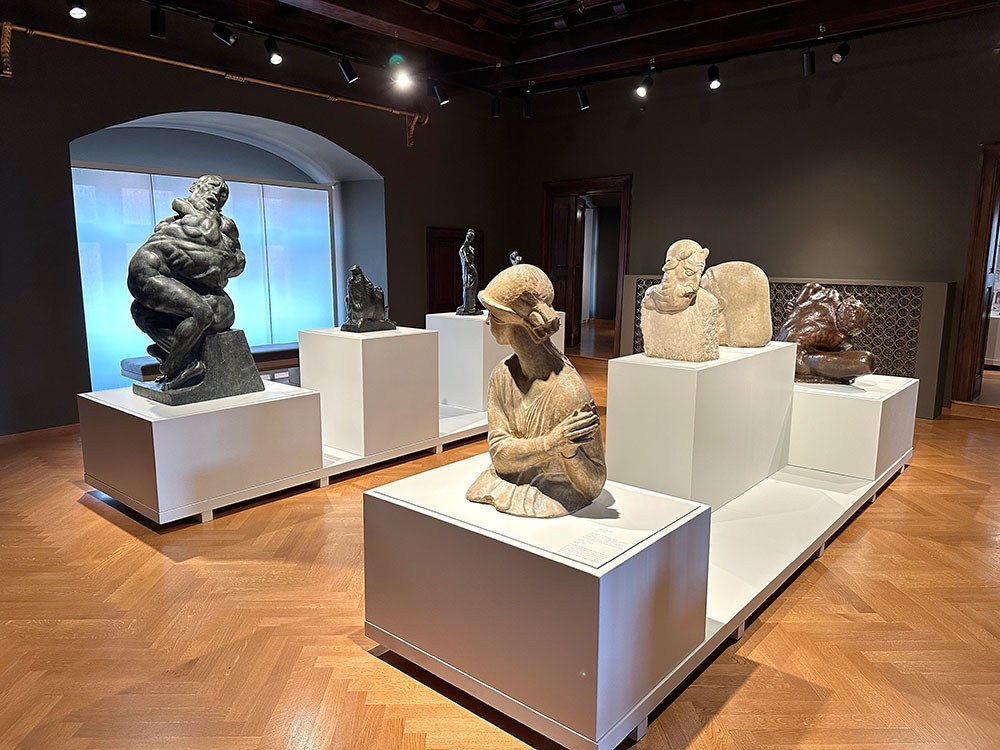
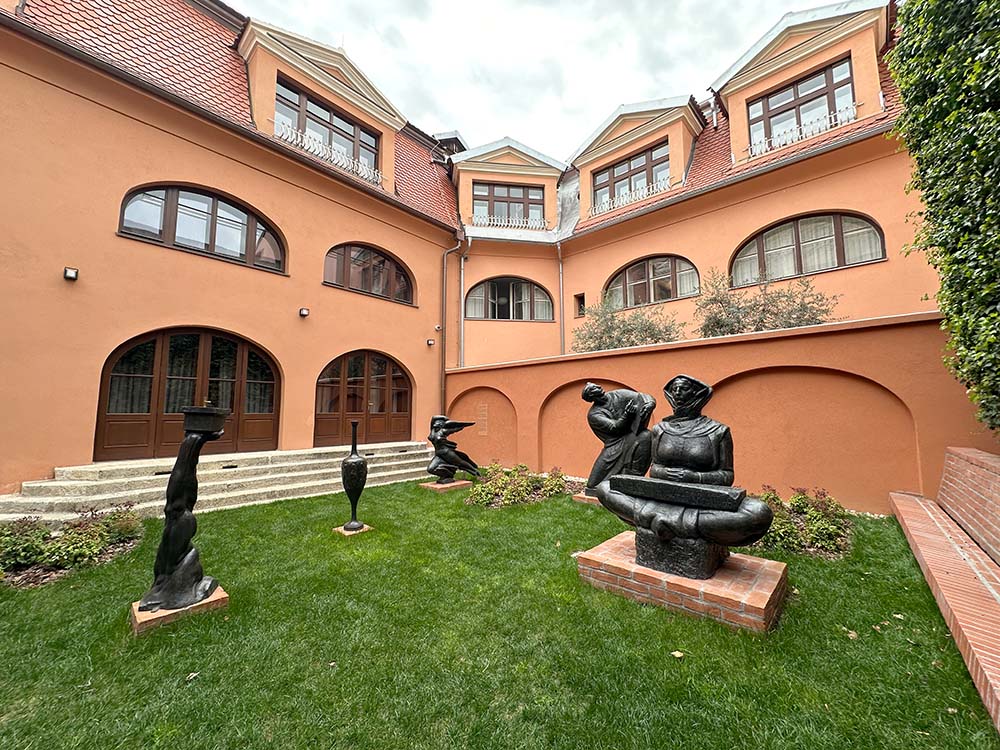
The main house has two levels, with a grand dining room, and if you dead upstairs and you’ll see more of Meštrović’s sculptures in various galleries. The house is also a lot bigger than it might look on the outside. There is an inner garden with a separate wing that was Meštrović’s art studio back in the day.
What else is there to see and do
The Meštrović Atelier isn’t that big, but there is a small gift shop near the entrance.
I had lunch just a few doors away at Konoba Didov San, a traditional Croatian restaurant which has pretty decent food and drink.
This isn’t the only Meštrović gallery in Croatia, but it’s the only one outside of Split. Check out the other Mestrovic places to visit.
What stood out to me
Meštrović was very involved in the building’s architecture and furniture – the main dining hall has really impressive dark wood furniture and was my favourite part of the museum. The space feels so grand with high ceilings and sculpted heavy wood furniture.
Who I think should visit
If you wanted to get to know a prominent Croatian artist as part of your cultural understanding of Croatia, Meštrović is a good place to start. If you like a more contemporary or art nouveau style of work, I think you can appreciate his collection as well – overall it’s not too obscure or abstract! The museum is quite small and focused, so easy enough for a casual person to visit.
Meštrović Atelier (Atelijer Meštrović) [Google maps] Entry 10 Euros. Located in the Upper Town along Mletačka ul., north of St Mark’s Church (opposite side compared to the Broken Relationships and Naive Art museums)
Zagreb City Museum
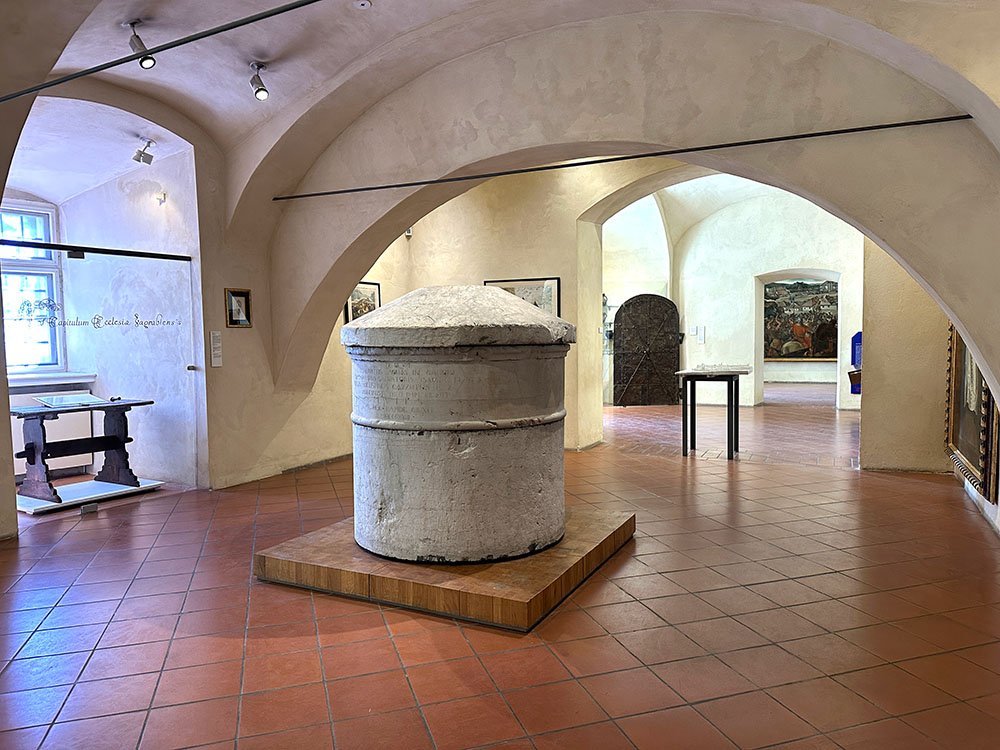
With all the museum options there are in Zagreb, I wanted to find a museum that gave an overview to its history, which is how I ended up at the Zagreb City Museum on my last full day in the city. The museum is up in the old city but set a bit further apart from the main sights, and is larger to explore than it looks from the outside.
What the Zagreb City Museum is about
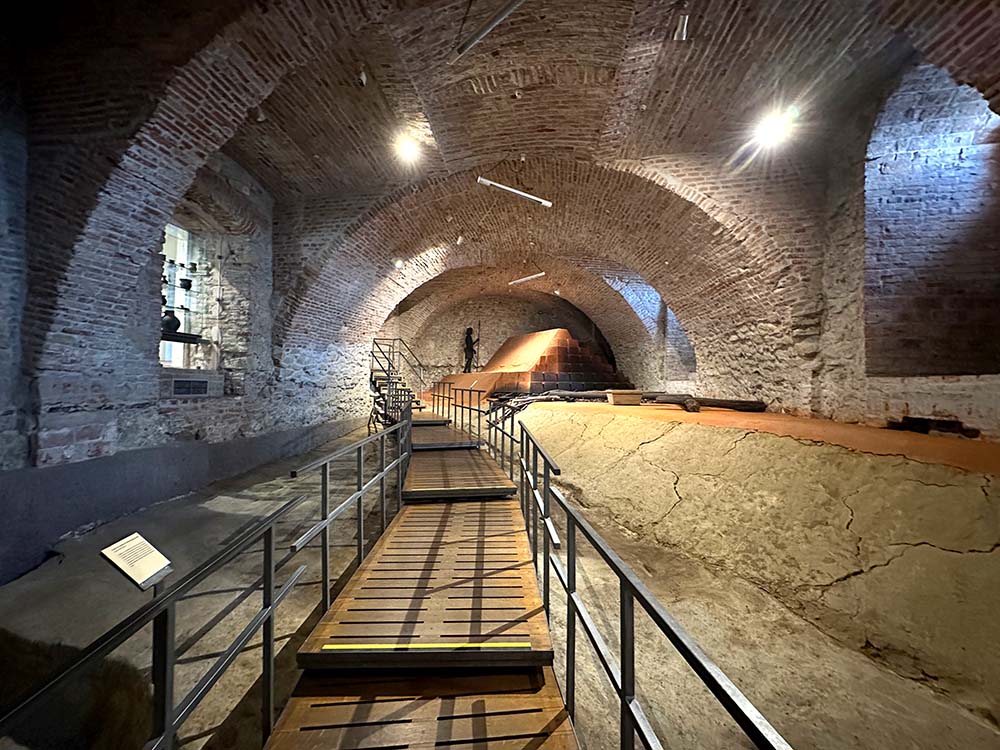
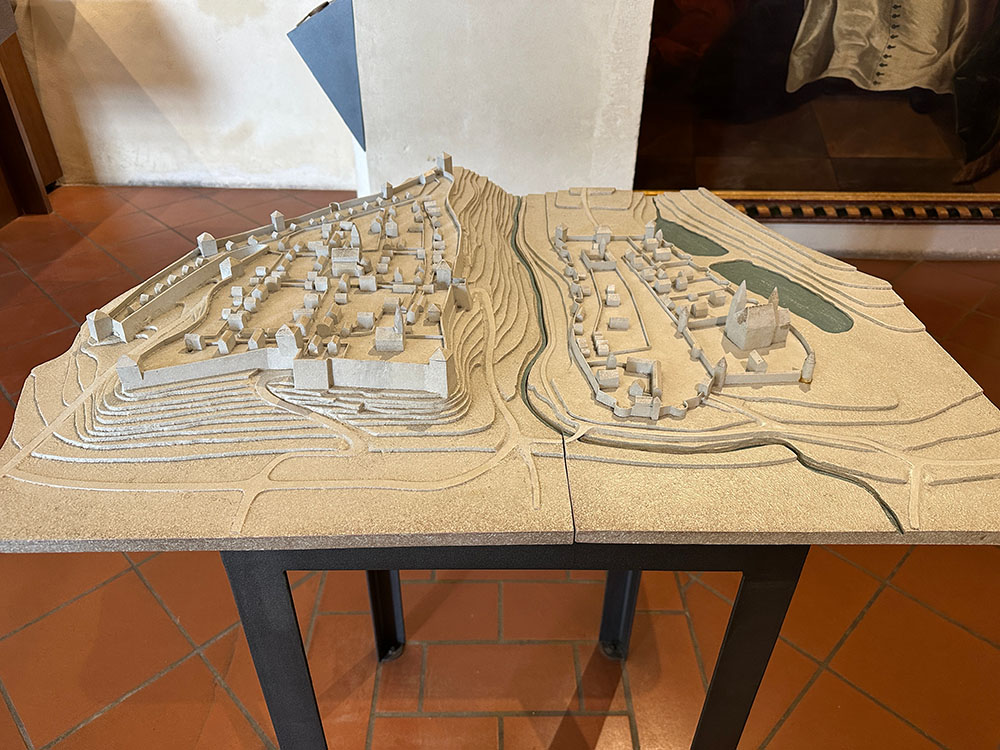
The Zagreb City Museum is located in the former Convent of Poor Clares, the lower levels made up of cobblestone floors and narrow brick walls. There are many rooms of exhibits that cover quite extensively Zagreb’s history through the years, including a section of excavation showcasing some archaeological finds of the area on the lower level. There are map scale models, artefacts, photos and more, with writeups in English for the tourists.
What else is there to see and do
The museum itself is a bit out of the way, so there’s not too much directly around the museum. There is a small shop in the lobby area, but I didn’t really spend much time exploring it.
What stood out to me
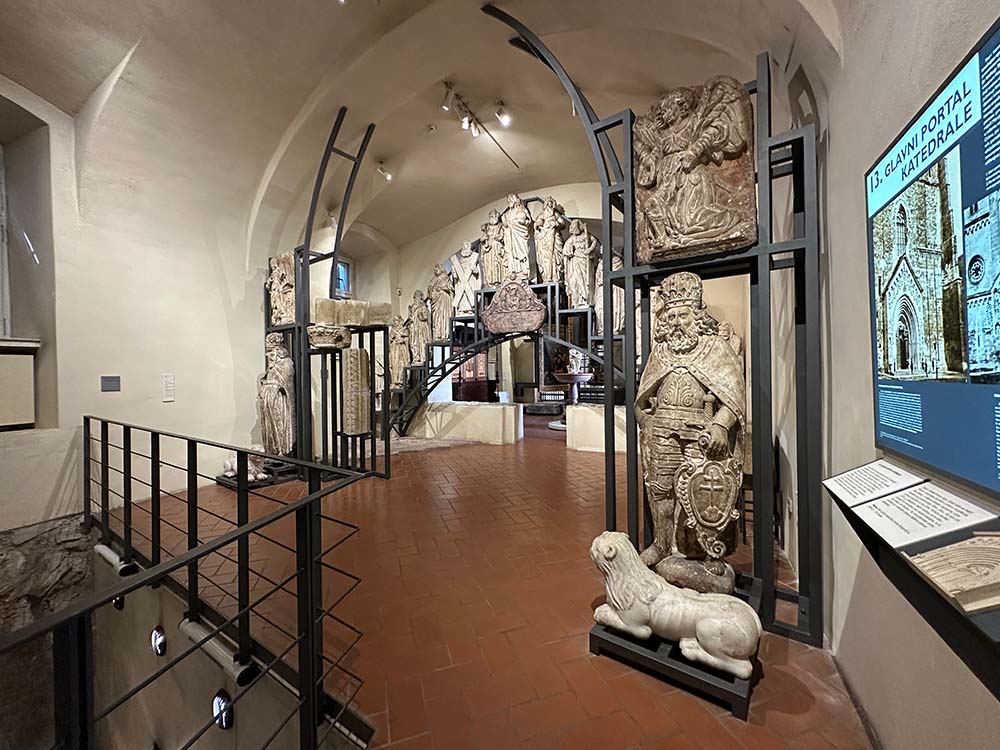
I had been to the Zagreb Cathedral near the Josipa Jelačića Square earlier, which was surprisingly sparse and all covered up with scaffolding as it was severely damaged during the earthquake a few years prior. Some of the original statues and decoration have been relocated here to the museum, so it’s easier to take a better look at the cathedral’s sculptures up close.
Who I think should visit
The Zagreb City Museum is great for history lovers and anyone who wants a deeper understanding of Zagreb’s history and culture. It’s an extensive collection with a mix of historical artefacts as well as more accessible items that might be more relevant to a younger audience.
Zagreb City Museum (Muzej grada Zagreba) [Google maps] Entry 7 Euros. Located in the Upper Town along Opatička ul. – I popped over to the Mestrovic Atelier after visiting this museum.
Museum of Lost Tales
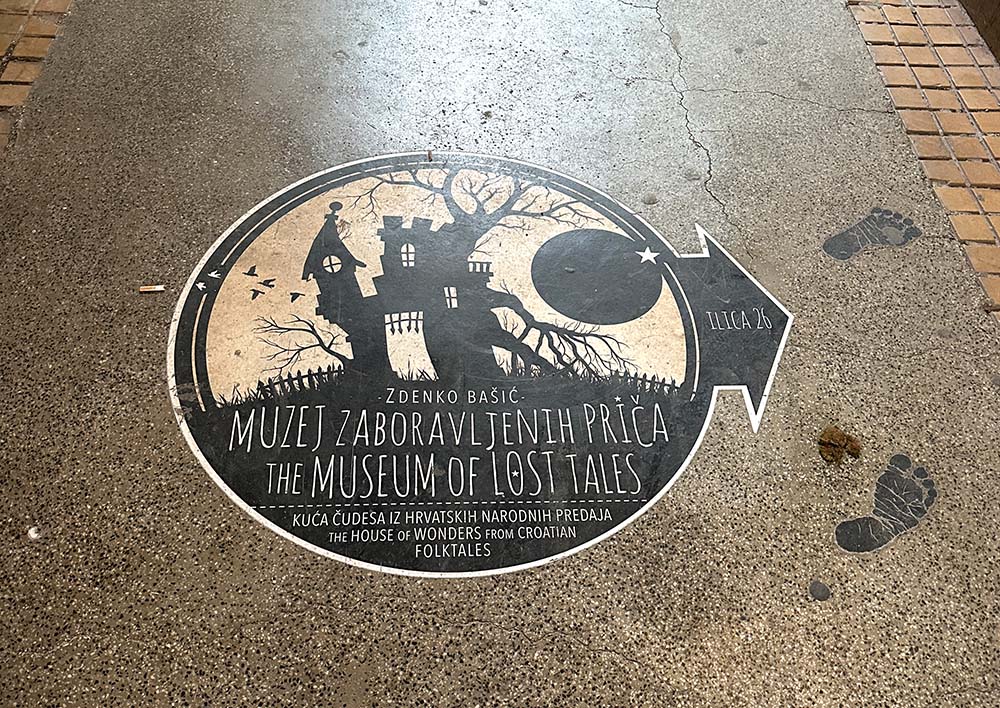
One of the museums I was quite curious about was the Museum of Lost Tales as it had such an interesting name and concept. It’s not quite your typical museum or gallery, and definitely a special experience.
What the Museum of Lost Tales is about
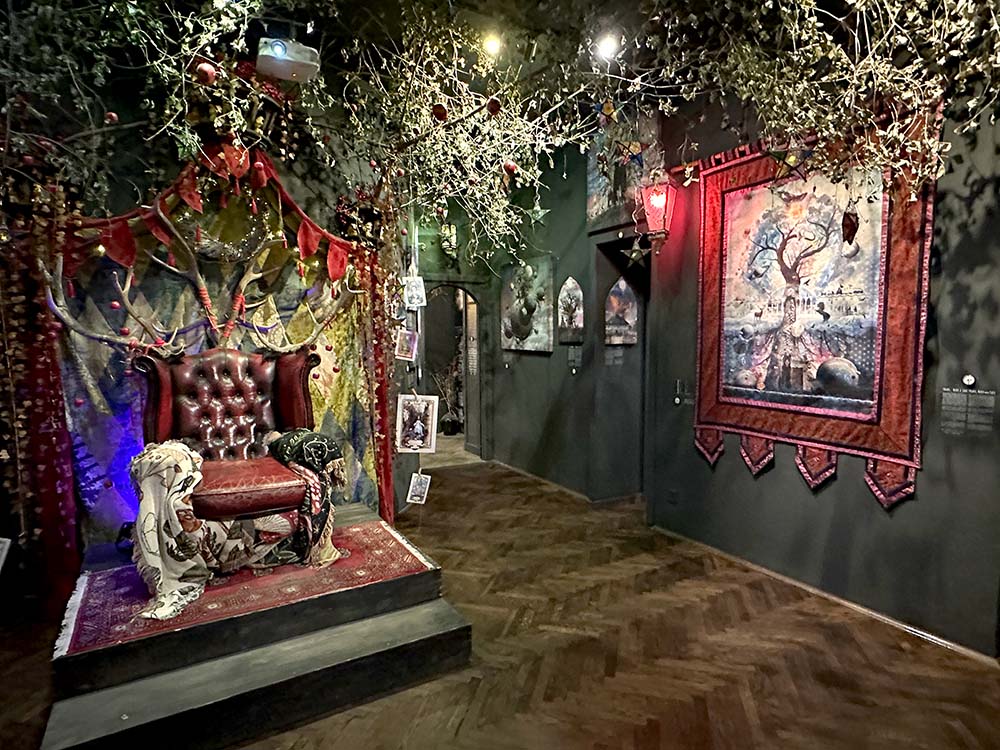
This museum explores and documents some of Croatia’s folk stories. These tales are not as wellknown as some of the fairy tales we hear, and they were typically only passed down orally so it’s nice that they are being archived here.
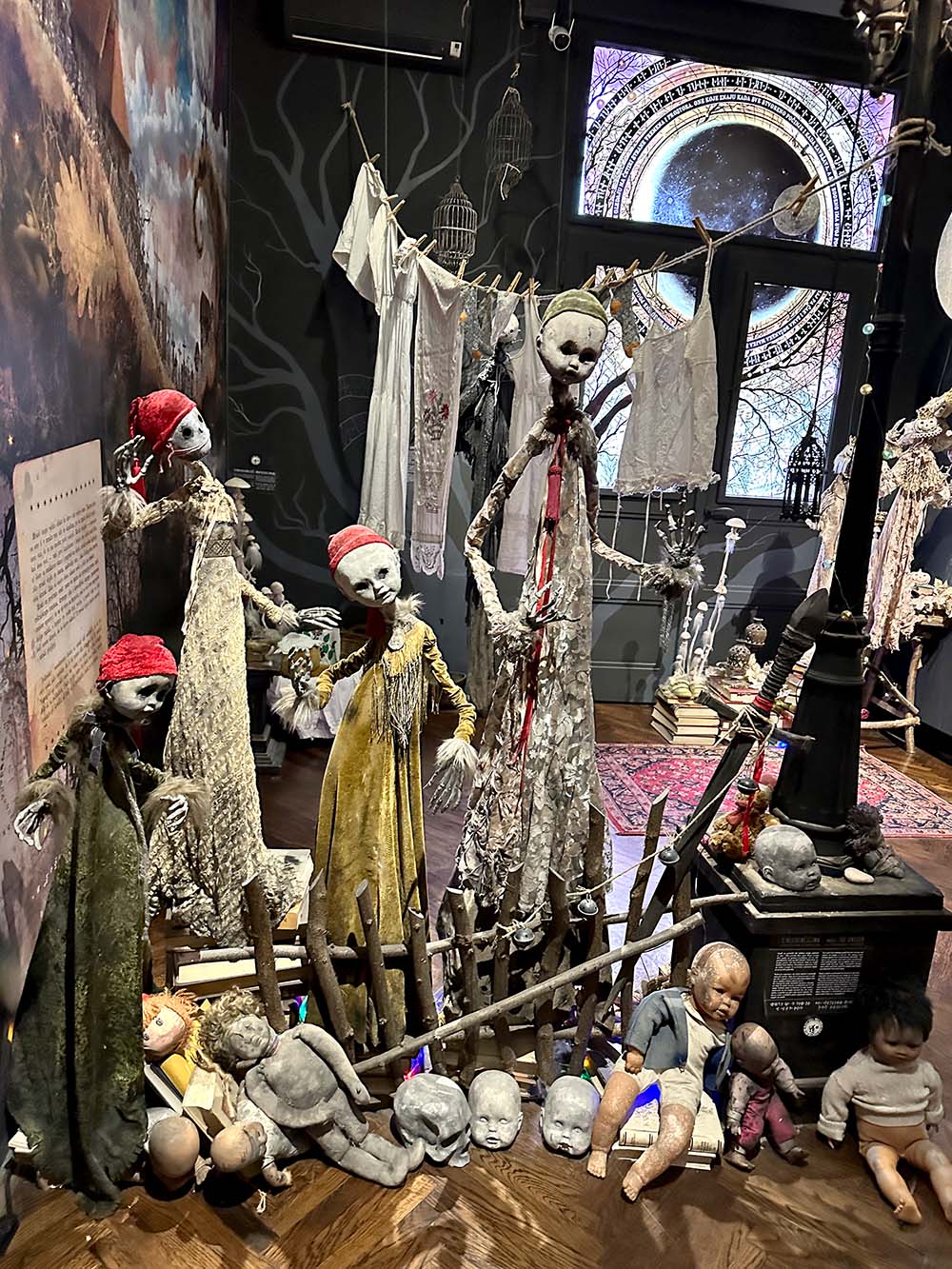
Unlike other galleries, this is less of a collection of items, but more of a showcase by the museum’s creator Zdenko Bašić, who basically created everything you’ll see in this museum. Everything is cloaked in black so it’s got a little bit of a halloween feel along with his slightly dark macabre style.
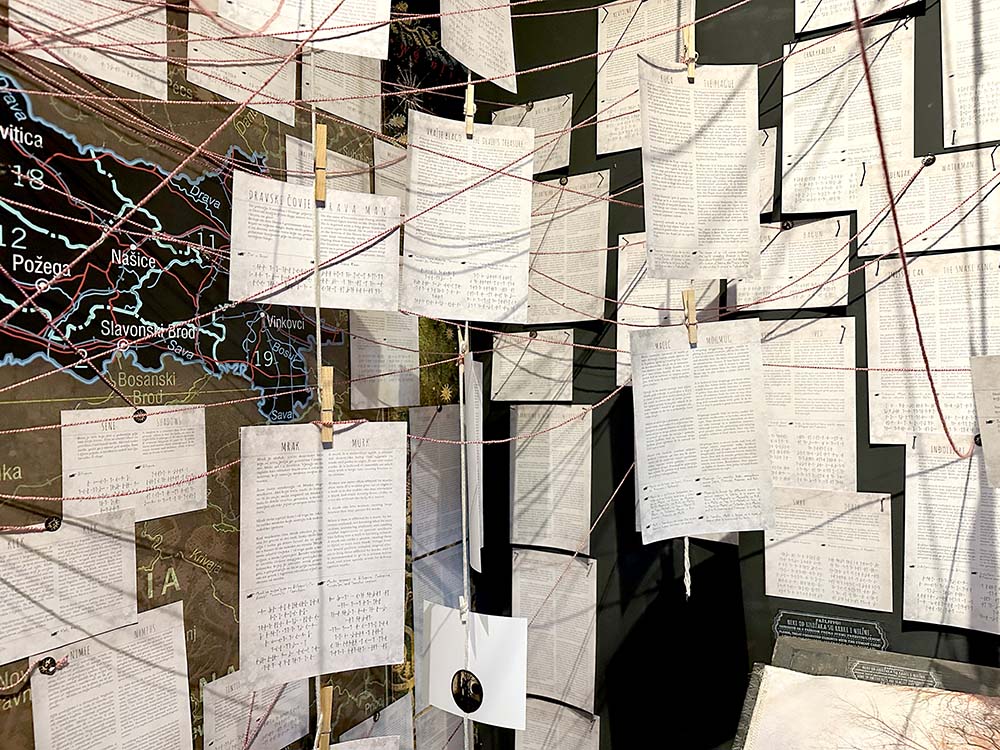
There are stories about specific Croatian and Slavic folk tales, as well as broader information about these mythical characters. I like that there are writeups in English so visitors can read the stories as they walk around.
What else is there to see and do
The counter had some books and artworks by the artist for sale, as well as an audio guide for those who prefer to listen rather than read.
What stood out to me
I love how the exhibits of this museum are very interactive – lots of detailed dioramas that you can get up close to. Many of these have little doors or nooks that you can open to find more secrets within. I enjoyed the video versions of the stories that you can watch and listen to as you walk around the gallery.
Who I think should visit
As Slavic folktales go, these definitely lean darker and aren’t the sanitised Disney versions, so it may not be the most suitable for kids but adults I think will appreciate this museum.
Museum of Lost Tales (Muzej zaboravljenih priča) [Google maps] Entry 12 Euros. The museum is located on the upper floor of a unit along the main street that’s on the border between Upper and Lower Town.
Museum of Unfinished Art
I was intrigued by the name of the Museum of Unfinished Art – plenty of art that I’ve seen looks like its half done, but what kind of works would be on display here? This museum was a bit hard to find on the 2nd level, but it turned out to be a pretty cool place to hang for a few hours.
What the Museum of Unfinished Art is about
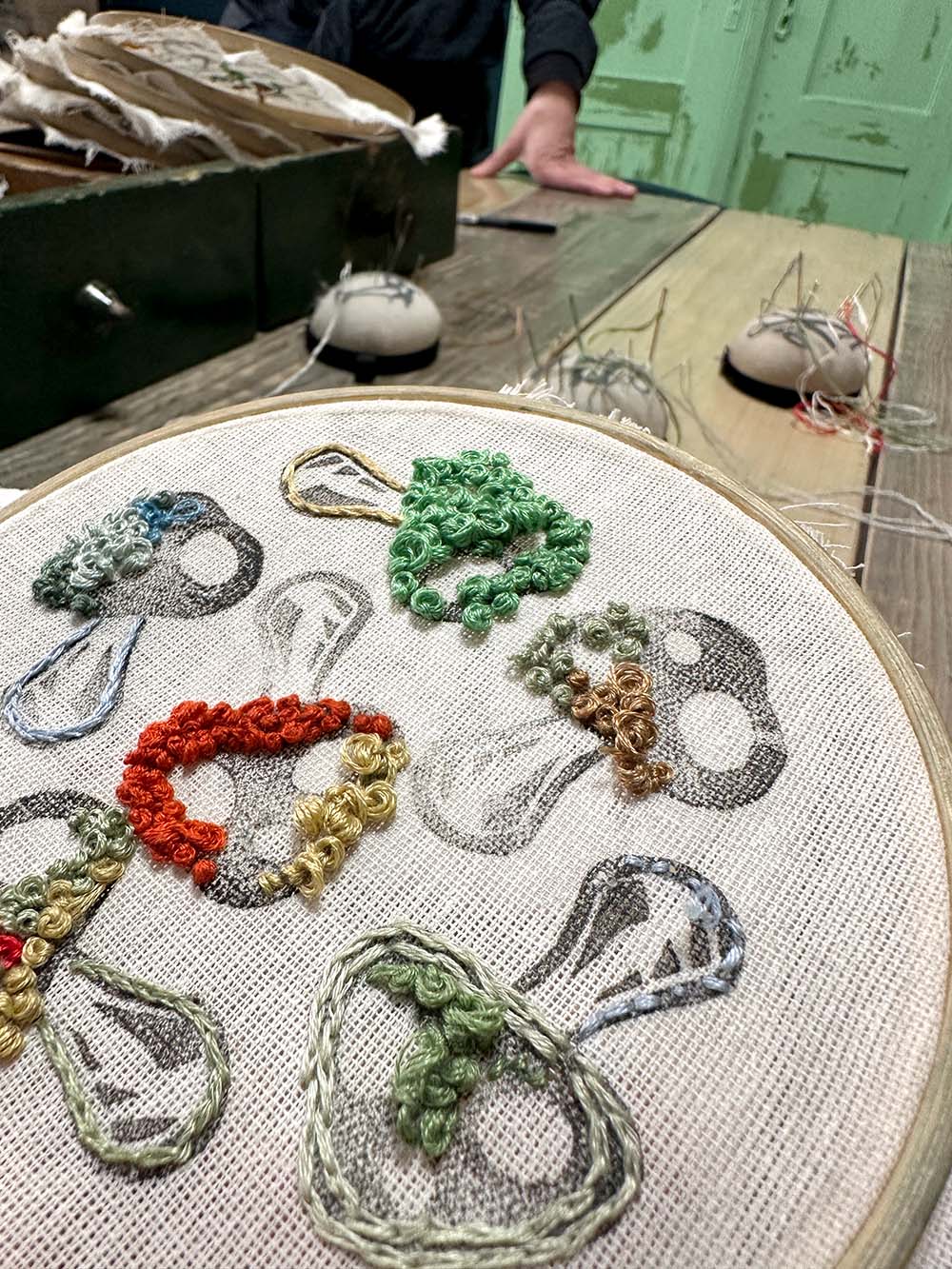
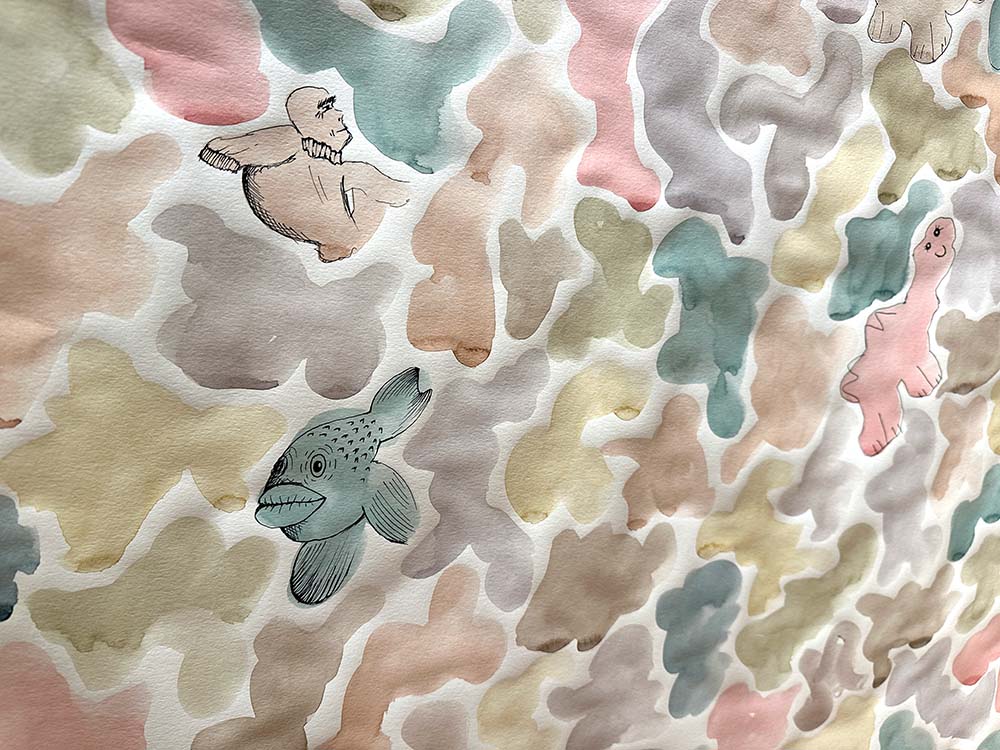
This perhaps is one of those places that’s less of an actual museum but more of an experience centre. There are several rooms and stations in each room dedicated to various crafting forms. There was one lady on duty that day who also turned out to be the owner, and she took me around and introduced me to several of the stations.
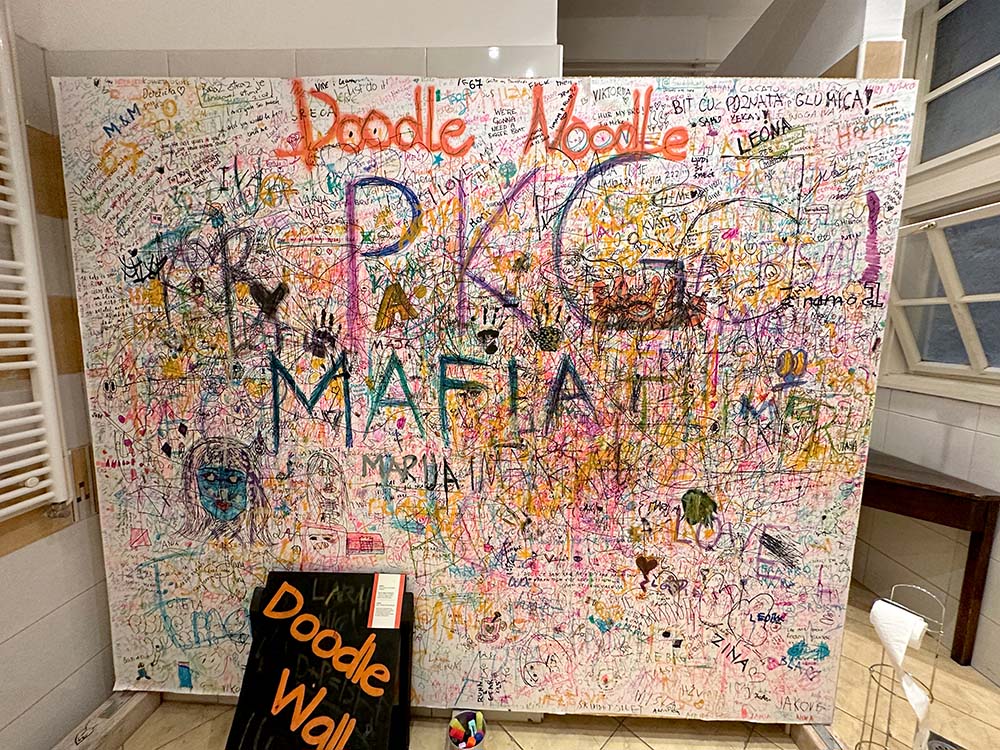
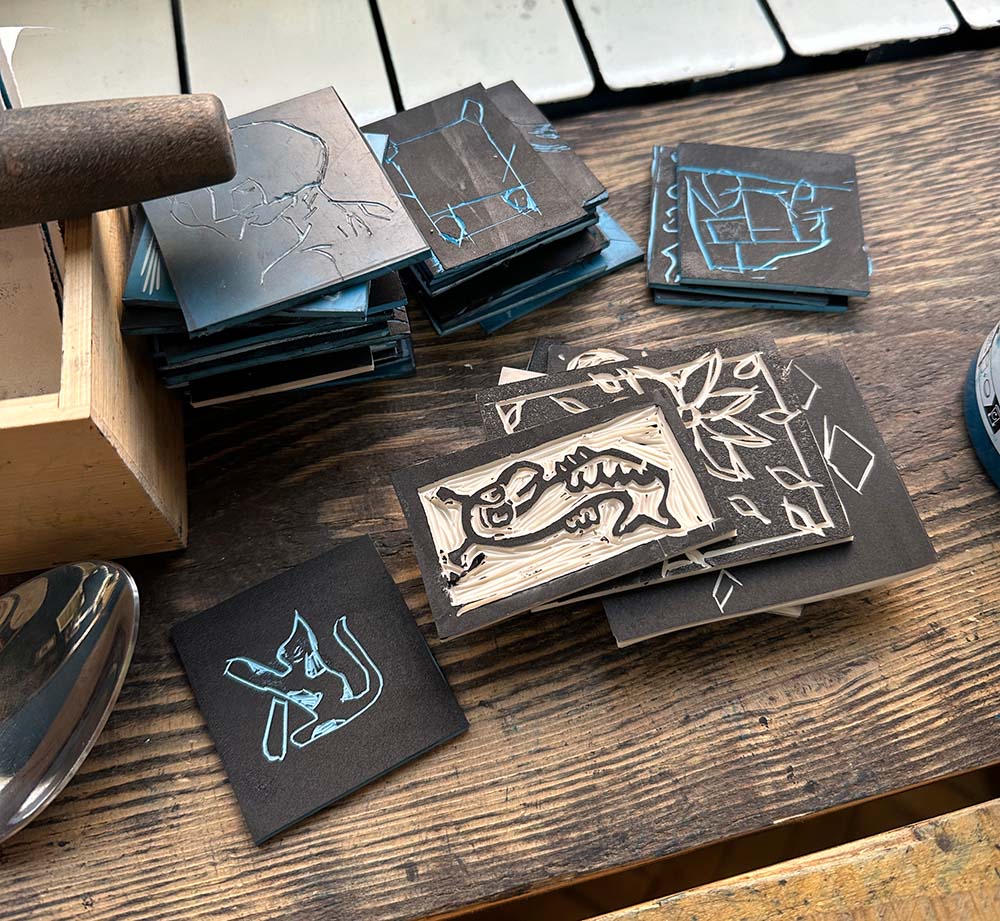
The idea behind the unfinished art is that you don’t start from scratch but you build on top of other people’s unfinished art. I learned a few embroidery stitches to add on to a pile of other embroidered bits, made a little bit of linocut carving and printing, a bit of watercolour painting…
What else is there to see and do
There is a small museum shop at the entrance where they sell DIY art kits in case you get hooked on to the new art techniques that you tried here. There are also some items that are made by the museum based on the unfinished art that was created here.
The Museum is right next to the Botanic Gardens so you can fit in a nice nature walk while you’re in the area. I had a drink at a little bar called Botaničar, very cute little spot.
What stood out to me
I love how this is kid-friendly but it’s not kiddy. Typically this sort of arts and crafts experiences tends to be very catered to children in terms of look and feel, but this one is something adults can and will want to experience. There’s also a wide variety of crafting methods, most are not that difficult for you to follow up on if it’s something you realise you enjoy doing.
And I think the ‘unfinished’ part of it is great because you don’t have to start from scratch which is what is intimidating for a lot of people, instead you can build off the unfinished works of other people.
Who I think should visit
This place is great for families, especially those with children who love to try all sorts of different arts and crafts. Even older kids and adults can enjoy playing around as the art making isn’t too junior.
Museum of Unfinished Art (Muzej nedovršene umjetnosti) [Google maps] Entry 12 Euros. The Museum is located on the Lenuci Horseshoe in the Lower Town where many museums and parks are located.
Museum of Contemporary Art
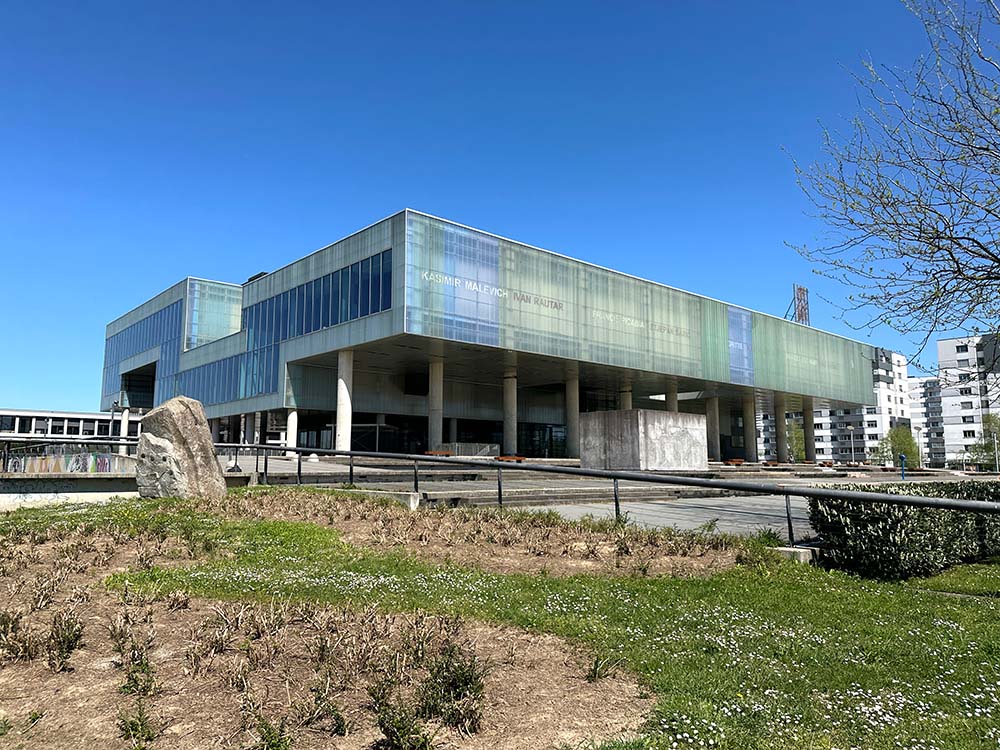
I love a good contemporary art museum, and Zagreb’s Museum of Contemporary (Muzej Suvremene Umjetnosti or MSU) is one of its largest and most modern museum. It was originally located in the old town area, but moved to the newer district of Novi Zagreb where it had a much larger space to accommodate its collection. So I hopped on a bus out of the old town area to check it out.
What the Museum of Contemporary Art is about
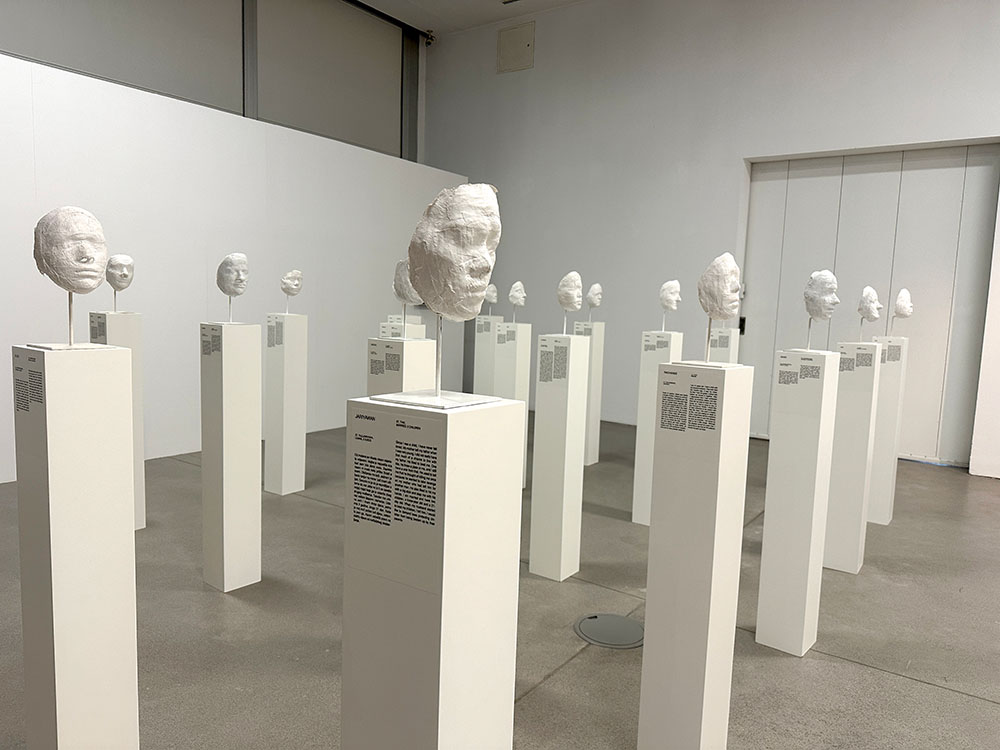
Zagreb’s Museum of Contemporary Art is pretty much as described, the home to a permanent collection of over 12,000 contemporary art works. I checked out the permanent exhibitions which span 3 floors, and basically just strolled in without too much of a plan to have a look around.
There was a lot to see from the MSU collection – paintings, sculptures, videos, sound, experiential – so many different types of works on view, but frankly nothing in particular caught my attention. But definitely a nice way to while a way a few hours, especially if the weather is hot outside.
What else is there to see and do
The MSU had some other museum’s collections on show as well. The Croatian School Museum collection was housed here – their original premises were affected by the 2020 earthquake and undergoing repair.
The museum has its own shop that sells exhibition merchandise.
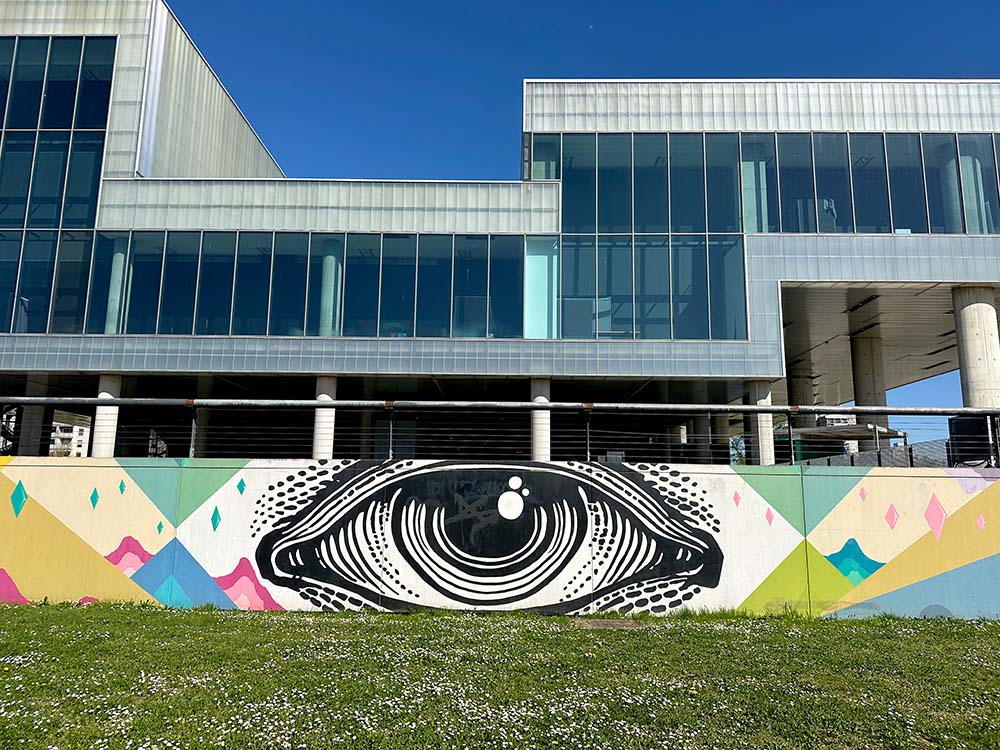
Outside the museum are also a handful of long murals that you can see on its side walls.
What stood out to me
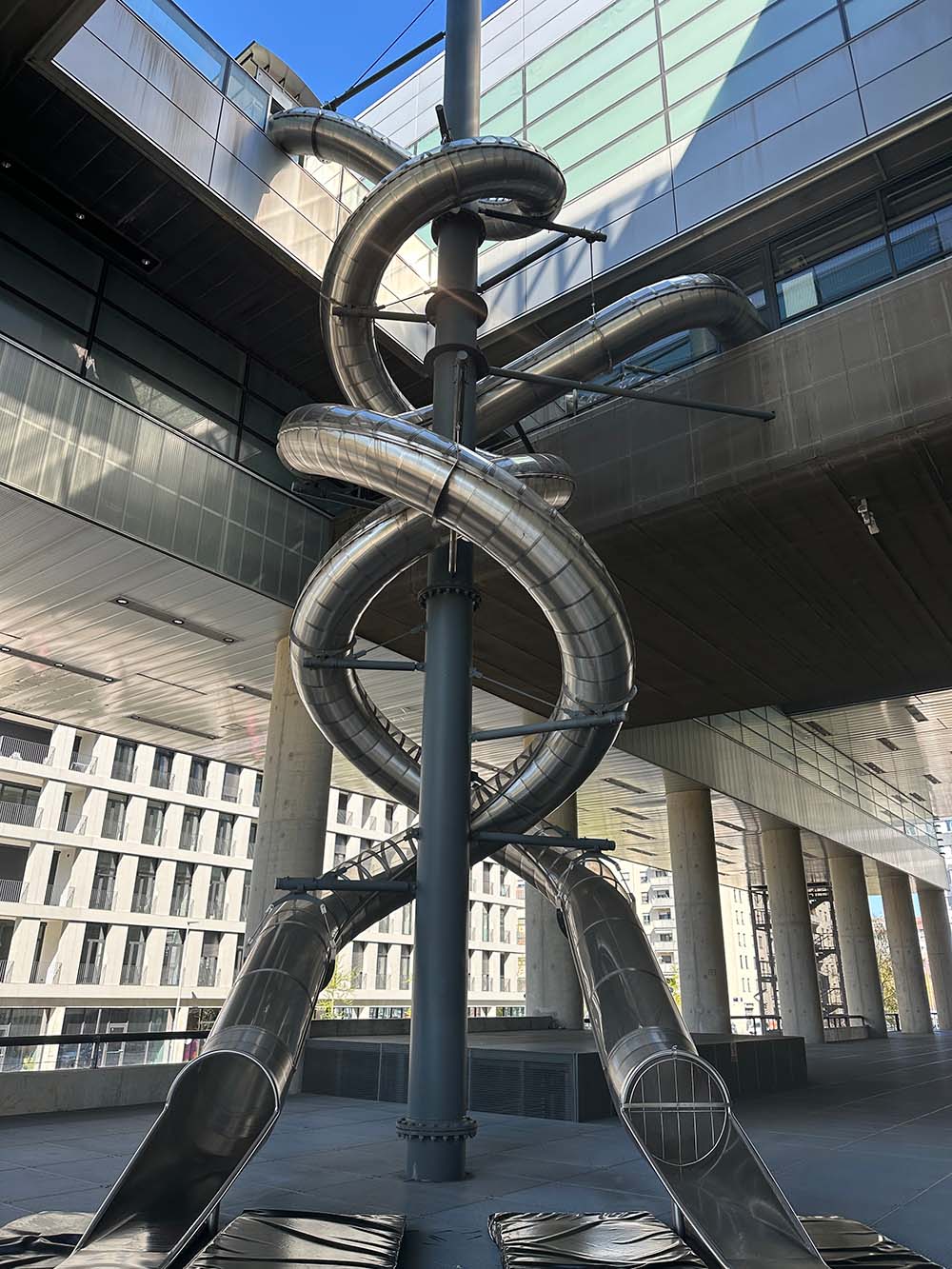
One of the highlights is getting to take a ride down this swirly metal slide in the middle of the museum – this is actually considered an artwork and part of the MSU collection! You get handed a black cloth mat to sit on to protect your butt, and let me just say it is extra smooth and you go down FAST.
Who I think should visit
Museum of Contemporary Art (Muzej suvremene umjetnosti) [Google maps] Entry 12 Euros.
More Zagreb museums I’ll visit next time
These are the Zagreb museums that I didn’t have the chance to visit that I might like to go back for in future.
- Nikola Tesla Technical Museum – this science museum isn’t specifically focused on Nikola Tesla, though it is named after him. There are exhibits on energy, aerospace, mining, farming and more. I just didn’t manage to find the time to get there.
- Mimara Museum – this art museum is privately owned and has a very extensive set of artworks, and also housed in a beautiful 1800s building in Lower Town. It was temporarily closed when I was in Zagreb though.
Is the Zagreb Card worth it for museum visits?
Most of the museums in Zagreb require an entrance fee so ticket costs can add up quickly. I did consider whether it made sense to get a Zagreb Card instead as the card does cover many of Zagreb’s attractions and public transport fares as well within 24 hours (38 euros) or 72 hours (48 euros).
I spent 4 days in Zagreb and generally I like a pretty chill, free and easy itinerary, so ultimately I didn’t get the card. Public transport fares honestly weren’t that expensive, and I walked quite a lot within the city itself.
Also, not all the museums on this list were covered by the Zagreb card.
So I spent 67.50 Euros on my museum visits, but if I had the Zagreb Card (72 hours/48 Euros), it would have been 38.40 Euros, so I probably would have needed to do a few more things to make up for it, or potentially buy the 24 hour pass and try to cram as much as I can in that time.
Where I stayed in Zagreb
I stayed at a place I found on booking.com called Jacky Apartman. It’s in the basement of one of these townhouses in the Lower Town area, but the Upper Town was a short 10min walk away so I thought the location was quite good. It’s a 20min walk from the bus station though which is a bit tedious with bags.
The location of the apartment is also very close to Zrinjevac Park which is pretty nice to hang out in the evenings, and a popular traditional Croatian restaurant Gostionica Purger is also very close by.
The apartment itself is quite comfortable, it’s down a flight of stairs and I think because it’s in the basement, it’s naturally cooler. The bedroom is a tad snug, but there’s a spacious living area, dining area and kitchenette so a very comfortable space all around. There is a small patio of sorts which I think is a smoker’s corner, but I never really ventured out into that space.
I never met the owner in person, but she was very communicative via whatsapp with the entry codes and letting me keep my luggage outside the door before my bus to the airport, so the experience overall was very good.
I realised I forgot to take pictures, but you can see the video walkthrough on my Instagram stories.
Jacky Apartman on booking.com [affiliate link]
Other places you can consider staying at in Zagreb:
- Zonar Zagreb by Maistra City Vibes – such an interesting modern-style hotel, but the location is a little bit further from the main areas. More on booking.com [affiliate link]
- Casablanca Boutique Bed&Breakfast – More on booking.com [affiliate link]
- B&B Centar – More on booking.com [affiliate link]
Have you been to Zagreb? Tell me what other Zagreb museums I should check out in future! In the meantime check out my other Europe posts: